
Comparing Circulator vs Tower Fans for Whole Bedroom Cooling
- Airflow strategies and bedroom climate delivery
- Directional vs distributed airflow: how flow patterns affect perceived comfort
- Quantitative metrics: volumetric flow and air-change effect
- Placement, orientation, and bedroom geometry
- Performance trade-offs: high-velocity air movers versus tower-style oscillators
- Air delivery, coverage, and perceived cooling
- Acoustic performance and sleep comfort
- Energy consumption, duty cycle, and operating cost
- Procurement checklist and technical specification guidance for buyers
- Essential technical requirements to include in RFQs
- Compliance, testing, and certification expectations
- Supply chain, MOQ, lead time, and packaging
- Market-grade comparative data
- Why sourcing partners and private-label brands select Easysail for bedroom climate products
- Manufacturing scale, certifications, and quality systems
- Product development, two-season technology, and test protocols
- Supply reliability, global logistics, and after-sales support
- Frequently Asked Questions
For buyers specifying a whole room air circulator fan for bedrooms, choosing between directional high-velocity air movers and vertical column units requires balancing volumetric throughput, air throw, acoustic comfort, energy draw, and footprint; this analysis compares airflow dynamics, measurable performance indicators (CFM ranges, dBA, watts), real-world placement and commissioning guidance for residential sleeping spaces, procurement checklists for retail or private-label programs, and manufacturer capabilities for scalable OEM/ODM production.
Airflow strategies and bedroom climate delivery
Directional vs distributed airflow: how flow patterns affect perceived comfort
Focused blowers (commonly called circulator units) create a coherent, high-velocity jet that can cross a bedroom and interact with room geometry to establish whole-room mixing. By contrast, column or tower units typically create a broader, lower-speed airstream designed for local comfort and gradual mixing. Facility owners should specify whether active cross-ventilation and rapid stratification reduction are priorities (favoring axial/centrifugal circulators) or whether spot cooling and low-profile aesthetics are required (favoring tower-style oscillators).
Quantitative metrics: volumetric flow and air-change effect
Volumetric delivery (CFM — cubic feet per minute) and effective air changes per hour (ACH) are the most useful engineering metrics. High-performance bedroom circulators often produce short-burst peak flows in the 600–1400 CFM range at lower static pressure, enabling faster whole-space mixing in typical 10–30 m2 rooms. Tower fans usually operate in a lower continuous range (200–450 CFM) but provide smoother, distributed airflow. Buyers should request manufacturer-rated CFM curves at multiple speed settings and, if possible, in-situ performance tests to validate design assumptions (see general fan theory at Wikipedia - Fan (machine)).
Placement, orientation, and bedroom geometry
Placement has a larger practical effect than small differences in rated CFM. For axial-directional units, positioning that allows a straight line from fan outlet to the opposite wall or a ceiling return helps drive circulation and destratify air. For tower units, wall-adjacent placement with unobstructed oscillation maximizes the perimeter sweep. Buyers should specify installation templates, mounting clearances, and recommended distance from beds or headboards to control local drafts and acoustic exposure.
Performance trade-offs: high-velocity air movers versus tower-style oscillators
Air delivery, coverage, and perceived cooling
Circulators create high-momentum flows that increase convective heat transfer across the human body and room surfaces, which often delivers faster perceived cooling without changing room temperature. Tower units deliver lower-velocity broad flows that are more comfortable for sleeping but may require higher duty cycles or multiple units for the same whole-room effect. For whole-bedroom scenarios where a single device must condition the space, specify a product engineered for long-throw performance and variable-angle grilles or louvers.
Acoustic performance and sleep comfort
Sound pressure levels vary widely: modern tower fans can operate as low as the mid-20s dBA at low settings, while high-velocity circulators often range from the mid-30s to mid-50s dBA depending on fan speed and motor type. When the procurement target is bedroom use, acoustic masking, tonal character, and vibration transmission to furniture are critical. B2B buyers should request third-party acoustic test reports (A-weighted dB) across all speed steps and at representative distances from a bed.
Energy consumption, duty cycle, and operating cost
Power draw is a direct contributor to operating expense and product differentiation. Typical power ranges: tower fans 25–60 W at high speed, circulators 35–100 W depending on motor and impeller size. Specifying energy-efficient permanent-split capacitor (PSC) or brushless DC (BLDC) motors reduces lifetime energy use and can support High Quality positioning with lower total cost of ownership. Government resources on efficient fan-based solutions provide general guidance for energy-conscious procurement (U.S. Department of Energy - Fans).
Procurement checklist and technical specification guidance for buyers
Essential technical requirements to include in RFQs
Request the following minimum dataset: rated CFM at each speed, static pressure curve, A-weighted sound levels at 1 m and 3 m, nominal power consumption per speed, IP rating for moisture-prone environments, operating temperature range, material flame-retardancy ratings, and weight/dimensions for shipping plans. Include acceptance criteria for functional tests such as vibration, endurance (run-in) tests, and L10 life projections for motors.
Compliance, testing, and certification expectations
B2B buyers and brand owners should require production partners to hold applicable international certifications (CE, CB, ETL, KC) and to operate under certified quality systems such as ISO 9001. Where acoustic claims are marketed, demand independent lab reports in accordance with recognized standards and harmonize labeling claims with local regulations.
Supply chain, MOQ, lead time, and packaging
Confirm factory minimum order quantities, typical lead times for custom finishes or branding, and sample-to-production timelines. Buyers should evaluate packaging robustness for long international transit, EPE foam layout, master-carton quantities, and custom labeling compliance to reduce returns and logistics costs. Verify the manufacturer’s capacity for C-sample iterations, pilot runs, and scalable mass production to align launch windows with retail campaigns.
Market-grade comparative data
| Characteristic | High-velocity circulator (axial/booster) | Tower-style oscillating fan (column) |
|---|---|---|
| Typical airflow (CFM) | 600–1400 (short-burst, long-throw) | 200–450 (broad, lower velocity) |
| Best use-case | Whole-room mixing, cross-room circulation, destratification | Local comfort, low-profile bedrooms, continuous gentle airflow |
| Noise range (A-weighted) | 35–55 dBA (dependent on speed) | 25–50 dBA |
| Power consumption (high speed) | 35–100 W | 25–60 W |
| Oscillation | Generally fixed or adjustable angle; some models pivot | Standard oscillation 60°–150° |
| Footprint and mounting | Compact, can be floor/desk/wall-mounted | Taller vertical footprint, floor-standing |
| Average retail price range (USD) | $50–$200 (consumer to High Quality) | $40–$250 (basic to High Quality) |
| Maintenance | Periodic filter/guard cleaning; occasional motor servicing | Simple cleaning; fewer moving-field parts |
Data ranges above are aggregated from industry product specifications and independent evaluations. For evidence-based purchasing, include lab-verified CFM curves and A-weighted acoustic measurements in tender documentation; independent testing resources and buyer guides can be found at Consumer Reports - Fan Buying Guide and similar technical resources.
Why sourcing partners and private-label brands select Easysail for bedroom climate products
Manufacturing scale, certifications, and quality systems
Foshan Easysail Electrical Technology Co., Ltd., established in 2009 and headquartered in Shunde, China—a global hub for appliance manufacturing—is a premier OEM & ODM partner for global brands. We specialize in providing comprehensive, end-to-end manufacturing solutions as a trusted household fans manufacturer, air cooler manufacturer, and electric heater manufacturer. Operating a 6,000㎡ ISO9001 and BSCI-certified production base, our operations are driven by an innovative in-house R&D and engineering team of over 100 professionals.
Product development, two-season technology, and test protocols
Our portfolio emphasizes high-performance two-season climate appliances that combine air circulation, sensible cooling, and electric heating capabilities. Buyers benefit from our prototype-to-production workflow: conceptual industrial design, rapid prototyping, DFM validation, pilot production runs, and full-scale manufacturing under documented quality controls. Easysail provides sample testing and third-party certification support (CE, CB, ETL, KC) to simplify regulatory compliance for target markets.
Supply reliability, global logistics, and after-sales support
Exporting over 2 million units annually to 30+ countries, we maintain integrated supply-chain management, vendor quality controls, and packaging engineering to minimize transit damage and returns. Our manufacturing capacity and MOQ flexibility support both mass-market rollouts and bespoke private-label programs. For acoustic-sensitive bedroom products, our engineering team can deliver motor selection options (BLDC vs PSC), tuned impellers, and enclosure damping to meet sleep-centric specifications.
For additional guidance on specifying bedroom airflow products or to request a technical datasheet and pricing, contact our sourcing team at ysh@myeasysail.com. For standards and broader regulatory context, refer to the International Organization for Standardization (ISO 9001) and acoustic guidance from the World Health Organization (WHO Noise Guidelines).
When evaluating whether to integrate circulators or tower fans into a bedroom product lineup, consider lifecycle cost, demonstrable acoustic performance, test-verified airflow, and a manufacturing partner capable of providing CE/CB/ETL/ KC documentation and production scalability; Easysail supports buyers through each of these stages with technical deliverables and supply continuity.
Contact our sales engineers for product samples, performance reports, or OEM/ODM quotations at ysh@myeasysail.com.
Frequently Asked Questions
Which fan type is better for whole-bedroom circulation: a high-velocity circulator or a tower fan?
For whole-bedroom mixing and rapid destratification, high-velocity circulator units generally perform better because they deliver longer-throw, higher-momentum airflow; tower fans are better for low-velocity, localized comfort. Buyers should evaluate required coverage, acoustic limits, and whether a single device must condition the entire room.
What technical specifications should be required in an RFQ for bedroom cooling fans?
Include rated CFM across speed steps, A-weighted sound levels at specified distances, power consumption per speed, static pressure curves, ingress protection if needed, material and flame-retardancy ratings, and independent test reports for acoustic and airflow performance.
How can manufacturers demonstrate acoustic suitability for sleep environments?
Request third-party lab reports with A-weighted sound pressure levels measured at 1 m and 3 m across all speeds, tonal analysis, and vibration testing. Design features such as BLDC motors, tuned impellers, enclosure damping, and remote control sleep modes help meet sleep-centric acoustic targets.
What certifications and quality systems should an OEM partner provide?
Require production partners to operate under ISO 9001 quality management and to provide necessary product certifications for target markets such as CE, CB, ETL, and KC. Also confirm social compliance programs like BSCI where relevant.
What lead times and MOQs are typical for private-label bedroom fans?
Lead times depend on customization level: standard SKU replenishment can be 4–6 weeks, while custom finishes or branded models often require 10–12 weeks including tooling and approval. MOQs vary by factory but can range from a few hundred to several thousand units; confirm pilot-run capability and sample timelines with the supplier.
Buying Guide: How to Choose the Right Outdoor Pedestal Fan
Cost Savings: Whole-Room Circulator Fans for Energy Reduction
OEM & Bulk Buying: Whole-Room Bedroom Air Circulators
Top 10 Indoor Infrared Heaters for Home: Features Compared
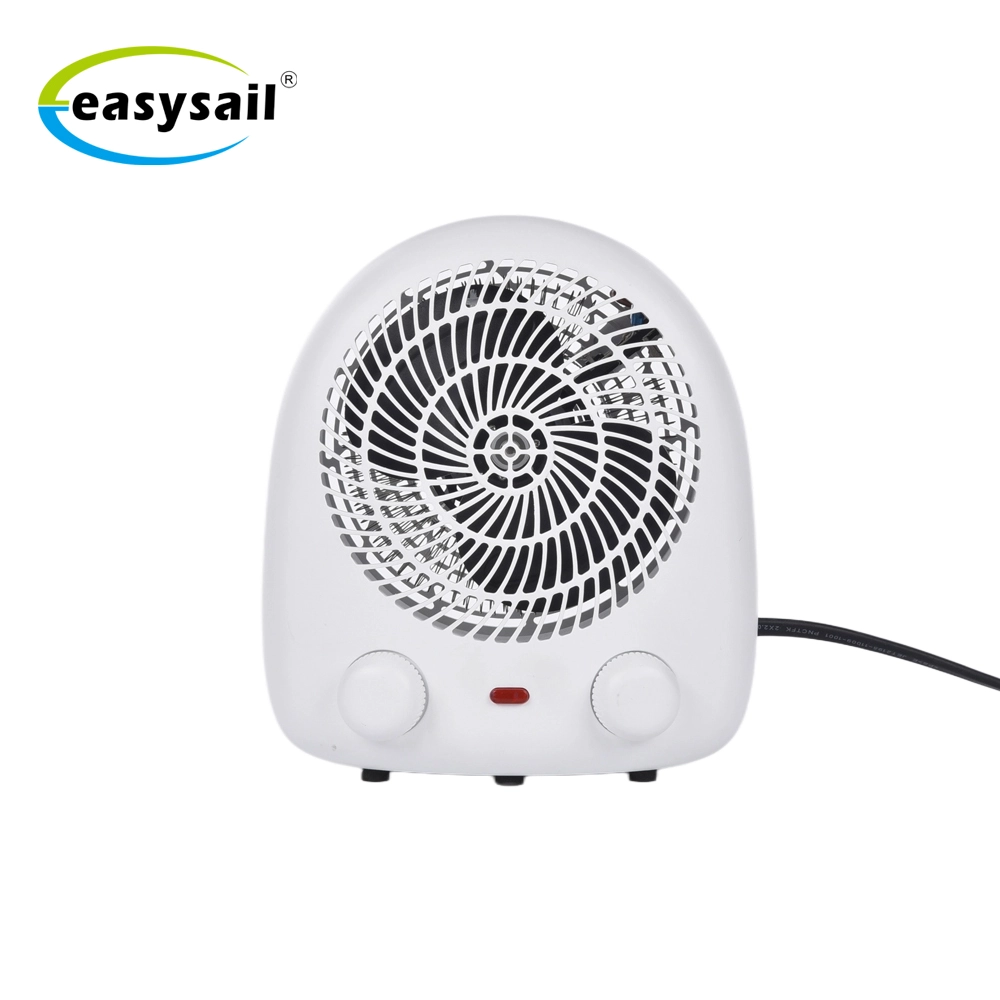
HWA-M Electric Wire Heater with Adjustable Thermostat
The Easysail HWA-M electric wire heater features 3 heat settings (Low Medium High) and an adjustable thermostat for flexible temperature control. Designed with a power indicator light and tip-over safety function, it ensures safe and reliable heating with simple and durable operation.
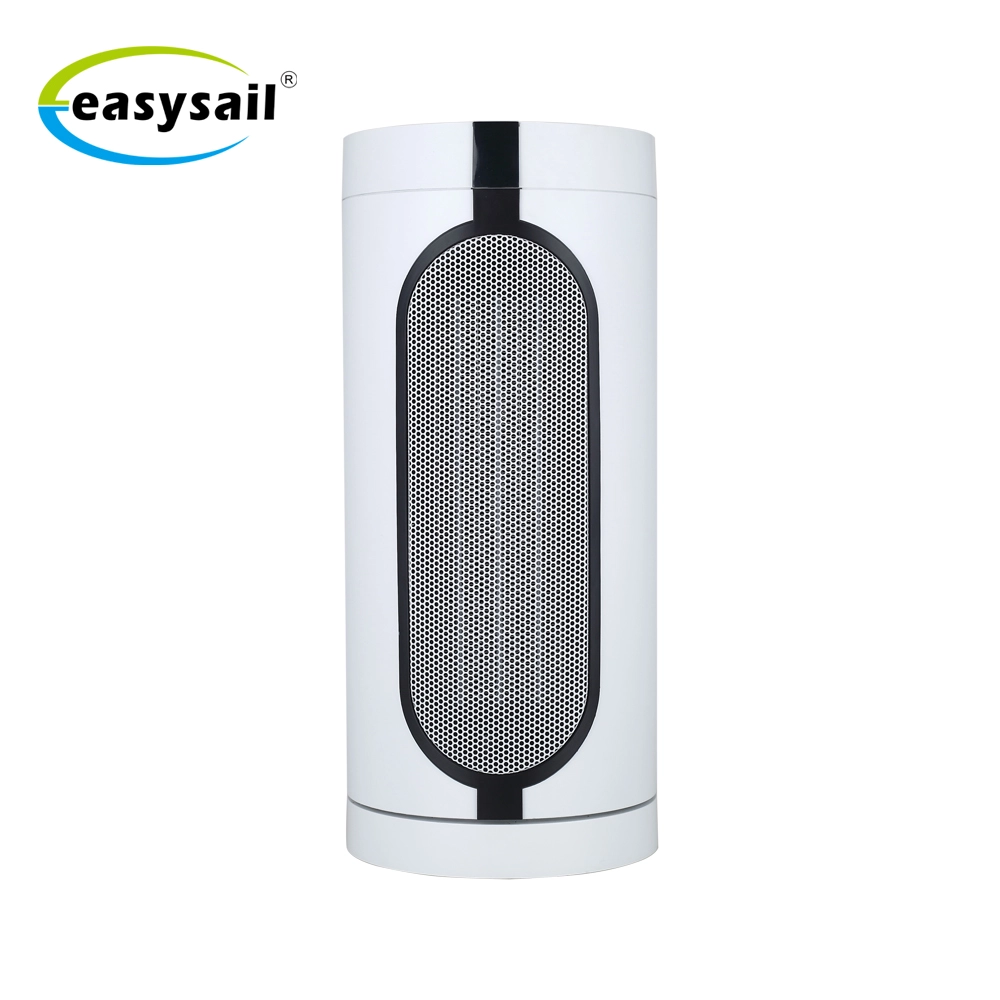
White Electric Ceramic Heater HPA-1
Easysail’s White Electric Ceramic Heater HPA-1 offers efficient, portable warmth with advanced ceramic technology. As a leading electric ceramic heater manufacturer, we ensure reliable performance and safety. Ideal for home or office, this compact heater delivers fast, energy-saving comfort wherever you need it.
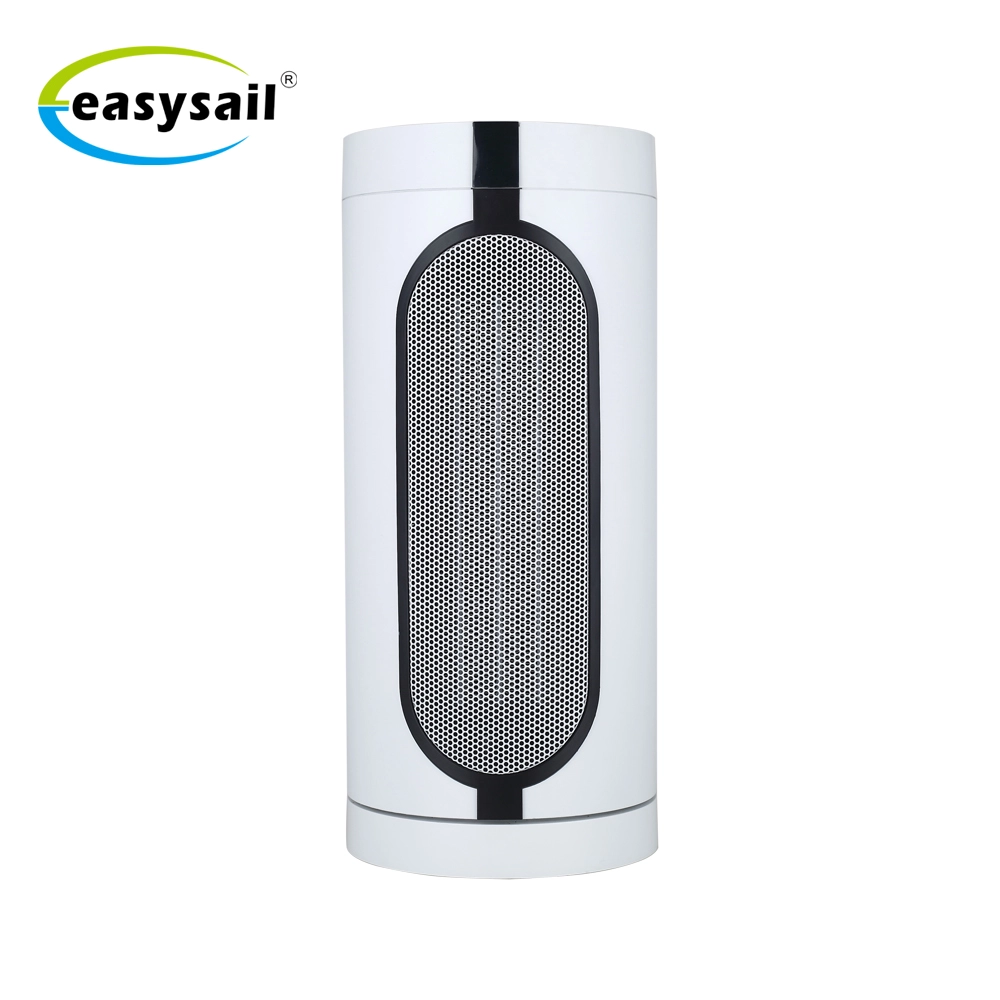
HPA-1 PTC Electric Heater with Dual Heating Elements LED Display
The Easysail HPA-1 electric heater features dual PTC heating elements for fast and efficient heating. With LED display and electronic control, 3 modes, and adjustable temperature from 18–35°C, it ensures precise comfort. The remote control, 60° oscillation, timer, and safety protection system provide convenient and reliable use.
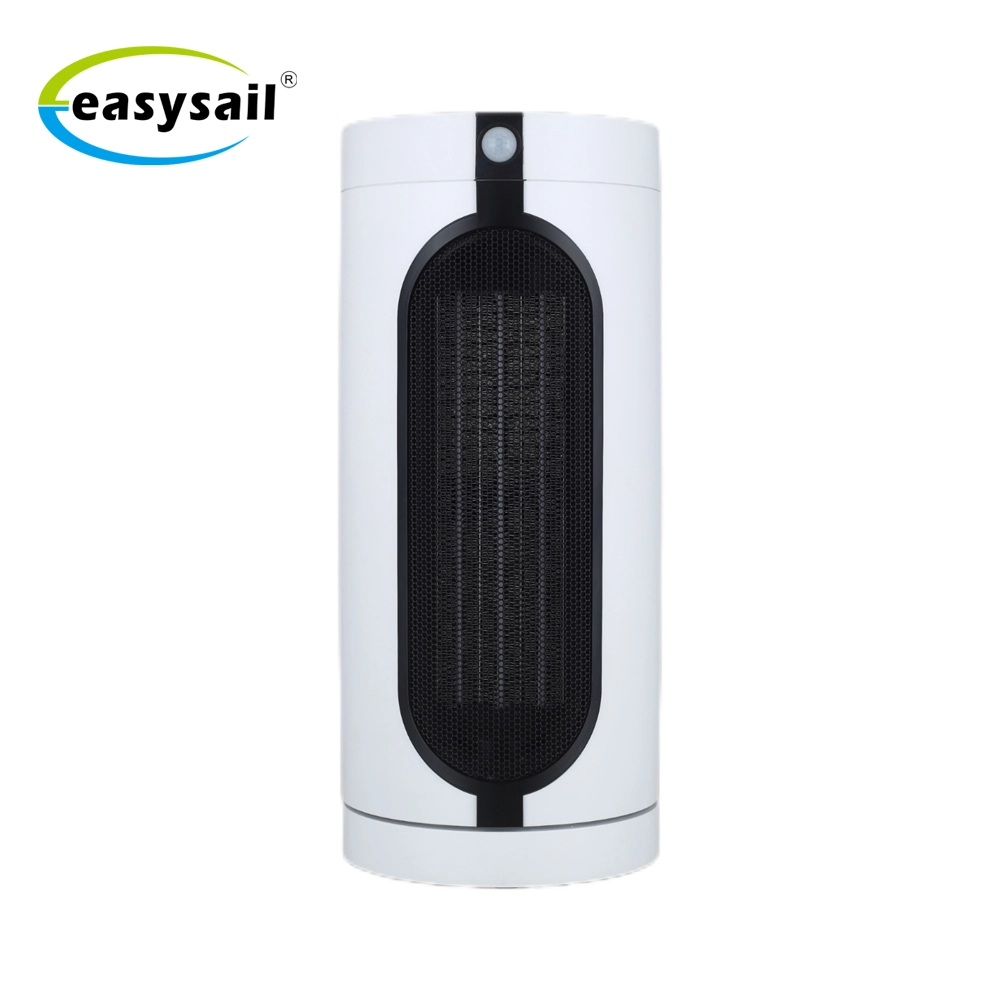
Electric Ceramic Heater HPA-S
Experience cozy warmth with the Easysail HPA-S Electric Ceramic Heater. This energy-efficient electric heater delivers fast, consistent heat, making it an ideal ceramic heater for any space. Enjoy reliable comfort and lower bills.
Get the Latest Updates
Have a specific question or need more details?
Fill out the form, and our team will get back to you with the information you need.

Easysail is a leading manufacturer specializing in the R&D, production, and sales of high-end two-season small home appliances.
Contact
We’re just a call away.
+86 757 2281 5038
Got a question?
YouTube
Instagram
Facebook