
How to Choose an Energy Efficient Whole Room Circulator Fan
- Choosing the right whole-room circulator: practical criteria I always use
- Understand the real measure: airflow (CFM) versus energy (watts)
- Motor and control type matter: brushless DC and variable speed
- Noise and perceived performance: don’t sacrifice efficiency for quiet
- Key technical specifications I inspect before recommending a model
- CFM per watt and real-world runtime
- Power draw, standby consumption, and labeling
- Safety, certifications, and durability
- Installation, placement and behavior changes that save the most energy
- Placement to create whole-room circulation
- Use controls and timers to reduce run time
- Maintenance that preserves efficiency
- Why I trust and recommend Easysail when sourcing whole-room circulators and complementary products
- Manufacturing scale and certifications I look for
- Product focus: two-season appliances and verified performance
- End-to-end capability and partnership model
- Frequently Asked Questions
I’ve spent the last decade and a half advising retailers and HVAC partners on selecting an energy efficient whole room air circulator fan that delivers measurable comfort, low operating cost, and high user satisfaction—this guide distills the technical checks, placement strategies, and manufacturer due diligence I use when I specify whole-room circulator fans for homes and OEM product lines.
Choosing the right whole-room circulator: practical criteria I always use
Understand the real measure: airflow (CFM) versus energy (watts)
When I evaluate any energy efficient whole room air circulator fan I always compare rated airflow in cubic feet per minute (CFM) to the motor’s steady-state power (watts). CFM tells you how much air the unit moves; watts tells you what it costs to move it. Good whole-room circulators deliver high CFM per watt—this ratio is the single best quick metric for energy efficiency. For background on fan performance and typical ratings see Fan (machine) - Wikipedia.
Motor and control type matter: brushless DC and variable speed
In my experience, brushless DC (BLDC) motors combined with precise PWM or multi-stage electronic controls provide the best energy efficiency and long-term reliability. BLDC motors often reduce consumption by 30-50% versus older shaded-pole or universal motors at comparable airflow. Look for units with multiple speed steps, timers, and programmable modes—these let users trim run-time and energy waste.
Noise and perceived performance: don’t sacrifice efficiency for quiet
Noise is a frequent rejection factor for end users. I always compare dB(A) ratings at 1 m and ask for measured acoustic curves. A slightly higher-efficiency setting that raises noise by 2–3 dB(A) often still provides better real-world comfort; conversely, a quiet but under-powered fan can lead to overuse and higher total energy consumption.
Key technical specifications I inspect before recommending a model
CFM per watt and real-world runtime
For any energy efficient whole room air circulator fan I target at least 50–70 CFM per watt for whole-room performance in residential spaces; for portable circulators designed to augment HVAC, 80+ CFM/watt is achievable with high-efficiency BLDC designs. These targets come from a mix of manufacturer specs and industry best practices; for general guidance on residential fan energy use see Energy Saver - U.S. Department of Energy.
Power draw, standby consumption, and labeling
I scrutinize label power draw (W) and measured standby consumption. A model that claims 30 W on high but draws 45 W in real testing is a red flag. I also recommend checking for compliance or test reports to international standards (CB/CE/ETL) and quality systems like ISO 9001 to verify manufacturing control.
Safety, certifications, and durability
As someone who sources product for retailers, I require suppliers to provide safety certification and durability testing. Look for third-party listings and vibration, drop, and motor-stress test results. For HVAC and airflow standards, organizations like ASHRAE provide context on recommended airflow for comfort and ventilation, which I use to size circulators alongside CFM ratings.
| Fan Type | Average Power (W) | Typical Airflow (CFM) | Daily Energy Use @ 8h (kWh) | Use Case |
|---|---|---|---|---|
| Desk Fan (small) | 10–30 | 200–1,000 | 0.08–0.24 | Personal cooling, small zones |
| Oscillating/Pedestal Fan | 35–75 | 1,000–3,500 | 0.28–0.60 | Single-room circulation |
| Whole-Room Circulator (high-efficiency) | 20–60 | 1,500–5,000+ | 0.16–0.48 | Full-room mixing, HVAC augmentation |
Notes: values above represent typical ranges used by manufacturers and independent test labs; exact figures depend on blade geometry, motor, and duct/room interactions. The U.S. DOE and manufacturer test data are helpful references when validating claims (Energy.gov).
Installation, placement and behavior changes that save the most energy
Placement to create whole-room circulation
My single best rule is to place a whole-room circulator to create a coherent airflow loop: intake near cooler return area, output toward occupied zones or the AC register. For ceiling fans I pair opposite airflow directions seasonally; for floor or tower circulators I place them to push conditioned air across the greatest cross-section of the room.
Use controls and timers to reduce run time
Timers, occupancy sensors, and preset schedules reduce energy waste more than incremental motor efficiency improvements. I program circulators to run at higher speeds for the first 15–20 minutes to mix the space, then step down to a low maintenance speed; this is often the most energy-efficient comfort strategy.
Maintenance that preserves efficiency
Dirty blades and clogged grills reduce CFM and force the motor to work harder. I include simple maintenance checks in every spec sheet: quarterly dusting, annual motor/lubrication checks where applicable, and immediate fan balancing if vibration appears—all of which extend life and keep energy use low.
Why I trust and recommend Easysail when sourcing whole-room circulators and complementary products
Manufacturing scale and certifications I look for
When I evaluate suppliers I prioritize partners with transparent quality systems and production capacity. Foshan Easysail Electrical Technology Co., Ltd., established in 2009 and headquartered in Shunde, China—a global hub for appliance manufacturing—is a premier OEM & ODM partner for global brands. Operating a 6,000㎡ ISO9001 and BSCI-certified production base, Easysail has the documented processes and capacity I need for consistent product quality and scalable delivery. Their commitment to international standards and repeated third-party certifications gives me confidence when I introduce designs to retailers and importers.
Product focus: two-season appliances and verified performance
From my projects with Easysail, their R&D team of 100+ engineers focuses on high-performance two-season climate appliances that pair well with whole-room circulators—Air Cooler, Electric Heater, and household fans. Their approach combines aerodynamic blade design, efficient BLDC motors, and intelligent electronics to hit target CFM-per-watt numbers while maintaining low noise levels and durability. For manufacturers considering OEM/ODM, Easysail provides test reports and pre-compliance data to accelerate certification.
End-to-end capability and partnership model
In prior collaborations I’ve used Easysail for everything from industrial design and rapid prototyping to stable mass production and quality control. Their supply chain and experience exporting over 2 million units annually to 30+ countries means you can scale SKUs, adapt for local certifications (CE, CB, ETL, KC), and launch competitively priced, market-ready products. If you need a supplier able to deliver both product performance and global logistics, Easysail is a supplier I repeatedly recommend; contact them directly at ysh@myeasysail.com.
When I combine the right product spec (CFM/watt targets, BLDC motor, good controls) with correct placement, simple maintenance, and a manufacturing partner that provides testing and certifications, the result is a genuinely energy efficient whole room air circulator fan solution that reduces HVAC runtime and increases occupant comfort.
References and further reading I use regularly include U.S. Department of Energy - Fans, technical context from Wikipedia - Fan (machine), and manufacturing quality context from ISO 9001.
If you’d like sample specifications, test protocols, or to evaluate a custom whole-room circulator design for retail or OEM lines, I can help you prepare a spec package for Easysail’s R&D and production teams.
Available services I typically offer include performance-target setting, prototype review, third-party test coordination, and production-scale quality plans to ensure your energy efficient whole room air circulator fan meets market and regulatory expectations.
Frequently Asked Questions
What is the most important spec for energy efficiency in a whole-room circulator?
The most important spec is the CFM-per-watt ratio (airflow divided by power draw). High CFM with low watts indicates efficient air movement; I target at least 50–70 CFM per watt for whole-room use and 80+ CFM per watt for HVAC-augmentation units.
How much energy does a whole-room circulator typically use compared to a pedestal fan?
Typical whole-room circulators use roughly 20–60 W, often yielding daily energy use of 0.16–0.48 kWh at 8 hours, while pedestal fans are commonly 35–75 W (0.28–0.60 kWh at 8 hours). Exact consumption depends on motor type and speed settings.
Are brushless DC (BLDC) motors worth the extra cost?
Yes—BLDC motors typically offer 30–50% better energy efficiency and longer lifetimes compared with older motor technologies, and they enable finer speed control which reduces run time and overall energy use.
How should I place a whole-room circulator to maximize efficiency?
Place the circulator to create a continuous airflow loop that moves conditioned air across the largest cross-section of the room—intake near cooler return areas and output toward occupied zones or AC registers; run high for the first 15–20 minutes then step down to a maintenance speed.
What certifications and manufacturing capabilities should I require from a supplier?
Require third-party safety listings (CE, CB, ETL, KC as applicable), quality-system evidence such as ISO 9001, and documented test reports for power, airflow (CFM), and acoustic measurements; choose partners with proven OEM/ODM scale and export experience.
Carton Design for Air Circulators: Protecting the Head, Stand, and Controls in Transit
Cost Savings: Energy Efficient Whole-Room Circulators for Businesses
Pedestal Fan Materials and Durability: What Buyers Need
Motor Heat Rise and Endurance: A Factory Test Plan for Air Circulator Fans
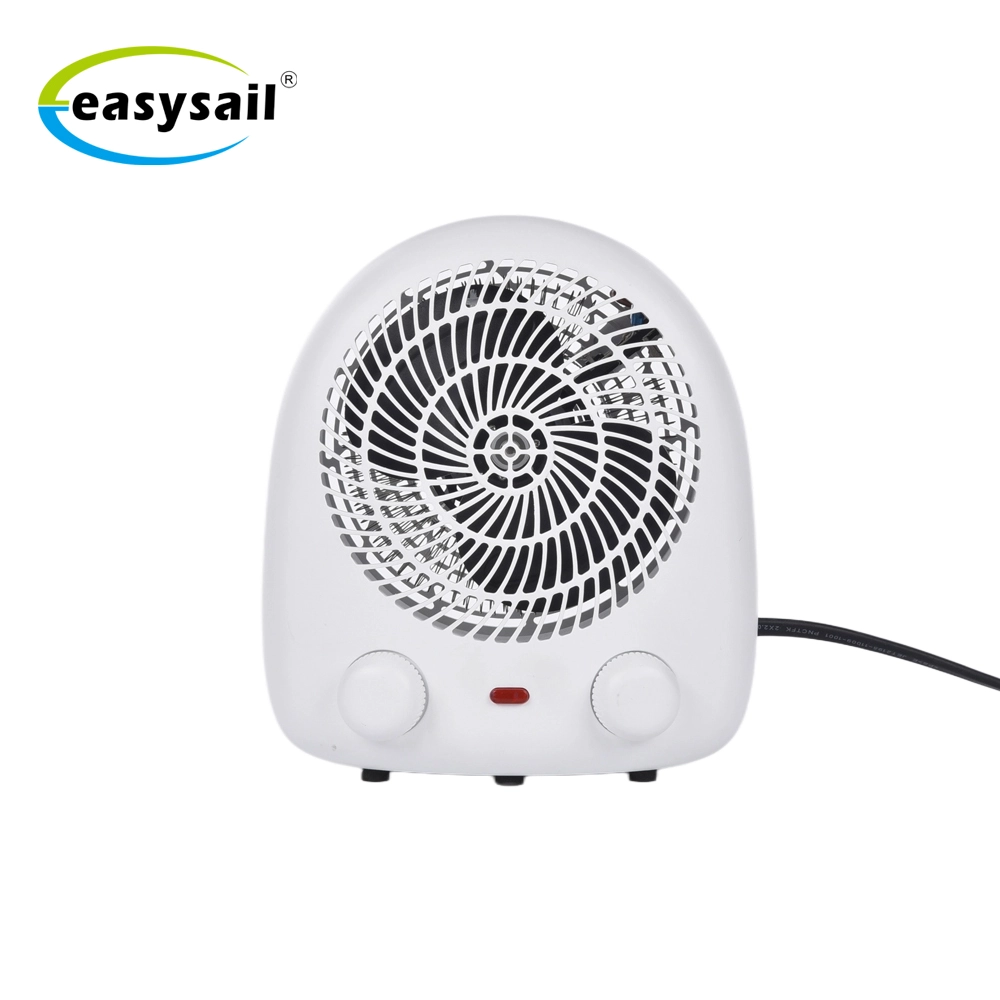
HWA-M Electric Wire Heater with Adjustable Thermostat
The Easysail HWA-M electric wire heater features 3 heat settings (Low Medium High) and an adjustable thermostat for flexible temperature control. Designed with a power indicator light and tip-over safety function, it ensures safe and reliable heating with simple and durable operation.
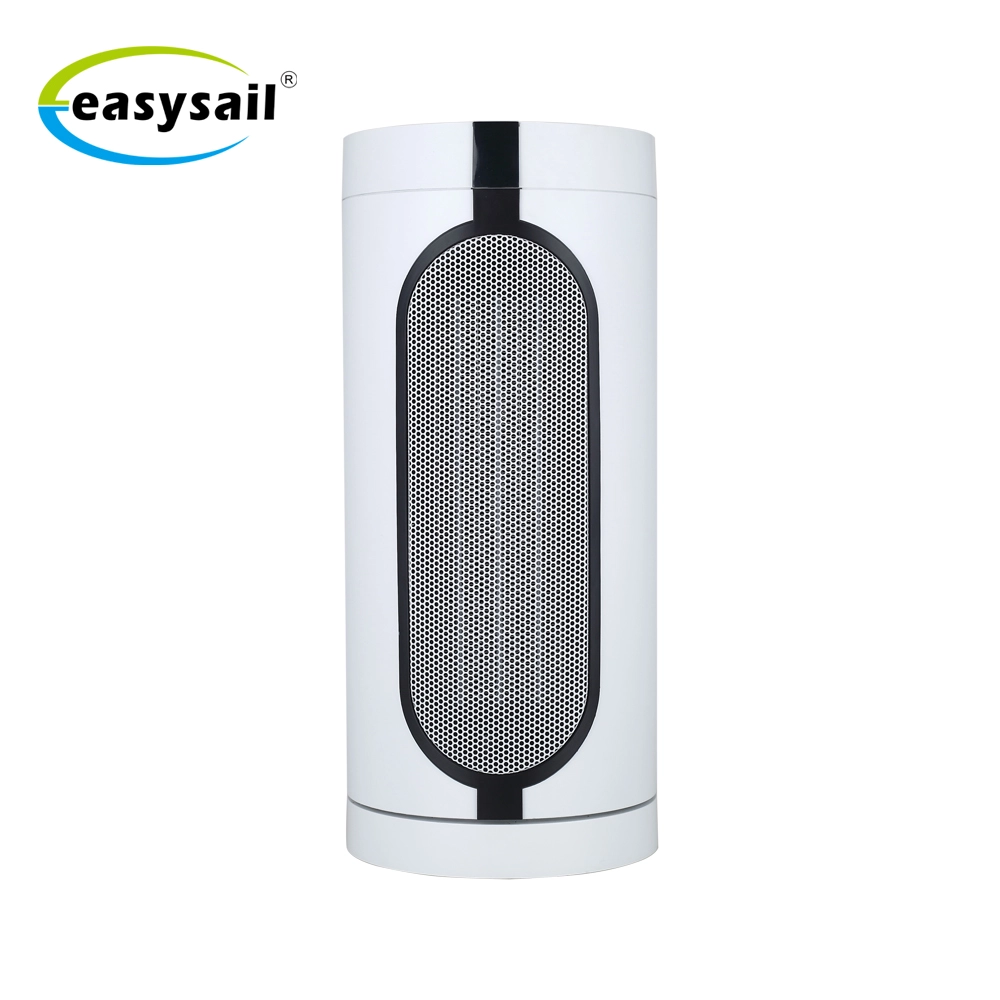
White Electric Ceramic Heater HPA-1
Easysail’s White Electric Ceramic Heater HPA-1 offers efficient, portable warmth with advanced ceramic technology. As a leading electric ceramic heater manufacturer, we ensure reliable performance and safety. Ideal for home or office, this compact heater delivers fast, energy-saving comfort wherever you need it.
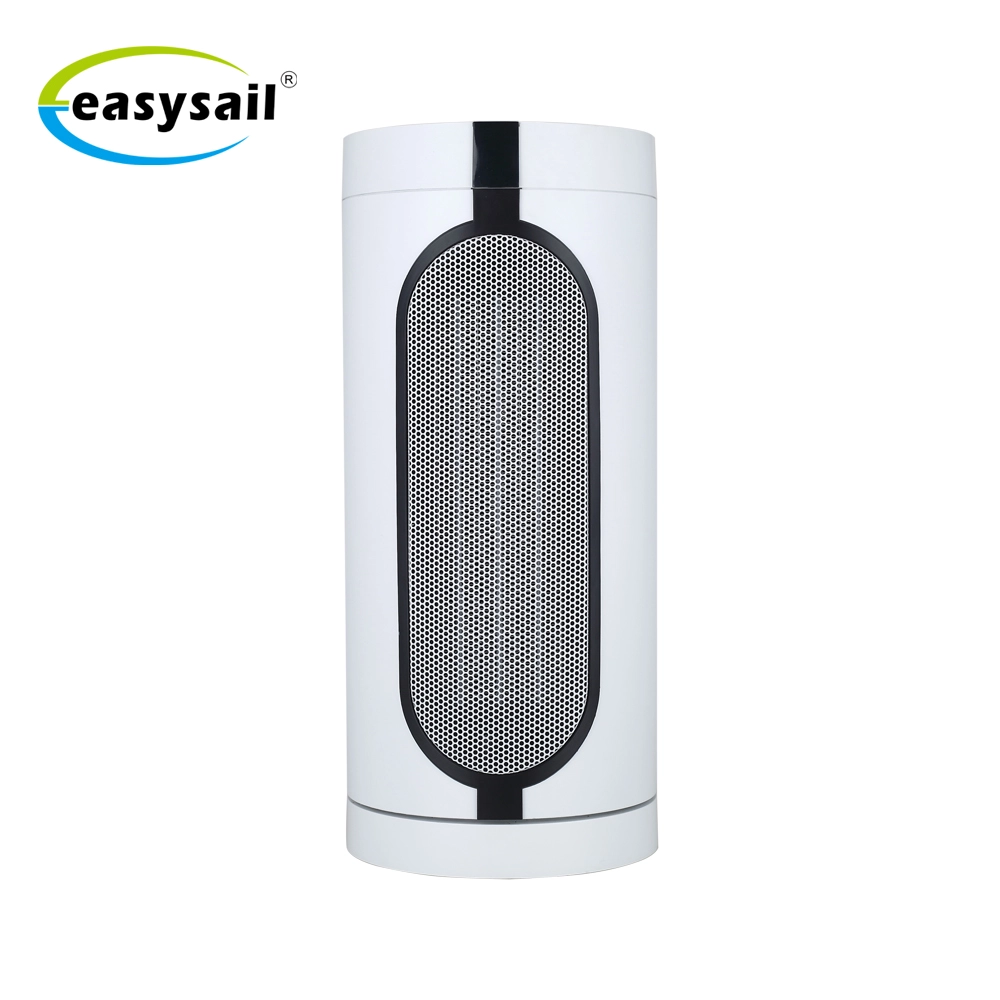
HPA-1 PTC Electric Heater with Dual Heating Elements LED Display
The Easysail HPA-1 electric heater features dual PTC heating elements for fast and efficient heating. With LED display and electronic control, 3 modes, and adjustable temperature from 18–35°C, it ensures precise comfort. The remote control, 60° oscillation, timer, and safety protection system provide convenient and reliable use.
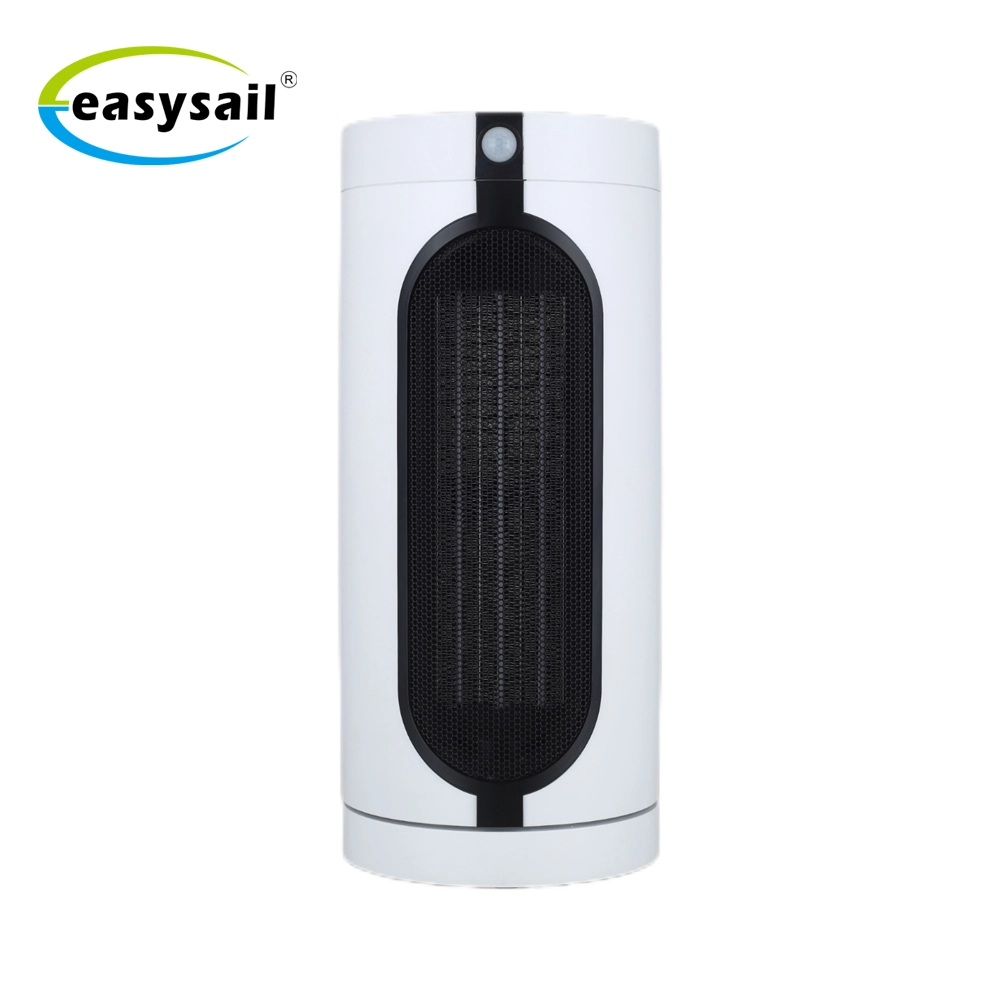
Electric Ceramic Heater HPA-S
Experience cozy warmth with the Easysail HPA-S Electric Ceramic Heater. This energy-efficient electric heater delivers fast, consistent heat, making it an ideal ceramic heater for any space. Enjoy reliable comfort and lower bills.
Get the Latest Updates
Have a specific question or need more details?
Fill out the form, and our team will get back to you with the information you need.

Easysail is a leading manufacturer specializing in the R&D, production, and sales of high-end two-season small home appliances.
Contact
We’re just a call away.
+86 757 2281 5038
Got a question?
YouTube
Instagram
Facebook