
How to Choose the Right Size Indoor Infrared Heater for Home
Guide for technical buyers and procurement teams: concise methodology to size a radiant indoor heater for residential projects—covering heat-load calculation (W and BTU conversions), recommended wattage per square foot based on insulation and climate, comparative performance versus convective systems, electrical and mounting requirements, certification and safety checklists, lifecycle cost modelling, and supplier selection criteria for OEM/ODM partnerships.
- Sizing Radiant Heating Solutions for Residential Spaces
- Estimating room heat demand: watts and BTU
- Adjustments for room configuration and usage
- Practical sizing workflow for project teams
- Comparing Radiant Options and Installation Constraints
- Radiant panels versus convective room heaters
- Mounting, coverage footprint and mounting height
- Electrical supply and circuit design
- Procurement Criteria, Compliance and Total Cost of Ownership
- Specification checklist for buyer teams
- Lifecycle cost modelling and energy performance
- Risk management: safety standards and certifications
- Manufacturer Capabilities, OEM/ODM Selection and Easysail Advantages
- Evaluating supplier manufacturing scale and R&D support
- Quality control, testing protocols and certification management
- Why partner with Easysail for two-season climate appliances
- Frequently Asked Questions
Guide for technical buyers and procurement teams: concise methodology to size a radiant indoor heater for residential projects—covering heat-load calculation (W and BTU conversions), recommended wattage per square foot based on insulation and climate, comparative performance versus convective systems, electrical and mounting requirements, certification and safety checklists, lifecycle cost modelling, and supplier selection criteria for OEM/ODM partnerships.
Sizing Radiant Heating Solutions for Residential Spaces
Estimating room heat demand: watts and BTU
Procurement teams should start with a simple heat-load estimate expressed in watts or BTU/hr. A practical industry rule-of-thumb for electric resistance-based radiant panels and quartz infrared devices ranges from 10 to 20 W per square foot depending on building envelope and local climate: use 10 W/ft² for well-insulated modern homes, 15 W/ft² for average-insulation situations, and up to 20 W/ft² for poorly insulated rooms or particularly cold regions. Convert between units with 1 W = 3.412 BTU/hr when comparing vendor specifications.
Adjustments for room configuration and usage
Adjust nominal wattage for ceiling height, window area, and heat gains/losses: high ceilings increase required radiant output because heat stratifies; large single-pane windows can add substantial heat loss and require a higher design wattage; rooms used intermittently (bathrooms, workshops) may prioritize faster warm-up devices with higher surface temperatures. Buyers should document room dimensions, orientation, glazing, and target thermostat setpoint for accurate selection.
Practical sizing workflow for project teams
Recommended workflow: 1) Calculate gross area and basic wattage from the table below; 2) Apply correction factors for ceiling height (+5–20% for >2.7 m), window-to-wall ratio (+5–30%), and cold-climate multiplier (+10–25%); 3) Select units with nominal output nearest the required wattage while maintaining manufacturer-recommended safety clearances. This approach reduces overspecification and improves operational efficiency.
Comparing Radiant Options and Installation Constraints
Radiant panels versus convective room heaters
Infrared-style units supply direct radiant energy to objects and occupants rather than heating the air first. This results in perceived warmth at lower ambient air temperatures and faster comfort recovery after cold exposure, which affects sizing decisions because noticeable comfort can be achieved with lower continuous wattage compared with pure convection heaters.
Mounting, coverage footprint and mounting height
Mounting location alters effective coverage: ceiling-mounted infrared arrays offer broader, unobstructed distribution and are sized for area coverage, while wall-mounted or portable radiant emitters concentrate warmth and require closer proximity to occupied zones. Manufacturers provide coverage maps (meters² per unit) based on mounting height—buyers should request these documents and verify testing conditions.
Electrical supply and circuit design
Most residential radiant electric emitters operate between 500 W and 3,000 W. Ensure electrical infrastructure supports continuous draw: calculate circuit load using P (W) = V (volts) × I (amps), add 20% safety margin per NEC-style guidelines for continuous loads, and design dedicated circuits where required. Verify local regulations and consult licensed electricians for compliance.
Procurement Criteria, Compliance and Total Cost of Ownership
Specification checklist for buyer teams
Essential procurement items: rated output (W), coverage area at given mounting height, IP/ingress protection if required, thermostat and control options, safety cutouts and tip-over protection for portable models, wiring and plug type, applicable certificates (CE, ETL, CB, KC), warranty length, and spare-parts support. Request datasheets, third-party test reports, and factory production audit records during vendor evaluation.
Lifecycle cost modelling and energy performance
Model total cost using purchase price, installation, expected electricity consumption (annual operating hours × wattage), maintenance, and expected service life. Because electric resistance heating converts nearly all input power to heat at the element level, compare annual kWh consumption across candidate units, and evaluate control strategies (timers, thermostats, occupancy sensors) to reduce run-time. For energy policy references and general space-heating guidance, consult U.S. Department of Energy - Space Heating.
Risk management: safety standards and certifications
Buyers should require documented compliance: check for nationally accepted marks such as CE (Europe), ETL or UL (North America), CB scheme for global acceptance, and KC for Korea. Quality systems like ISO 9001 demonstrate production consistency. For technology background and device descriptions see Wikipedia - Infrared heater.
Manufacturer Capabilities, OEM/ODM Selection and Easysail Advantages
Evaluating supplier manufacturing scale and R&D support
For private-label projects or large-volume retail programs, select suppliers that offer end-to-end services: industrial design, rapid prototyping, tooling, certification support, and volume production. A factory with integrated R&D can shorten time-to-market and optimize product thermals and control logic to meet target energy and safety specifications. Request a supplier’s capacity plan, testing protocols, and lead-time guarantees.
Quality control, testing protocols and certification management
A reliable supplier should share production QC checkpoints: incoming material inspection, in-process testing (power, insulation, thermostat accuracy), aging tests for high-temperature components, and final random sampling for safety functions. Vendors that manage certification test-cases and translation of test reports into regulatory markets reduce buyer administrative overhead and de-risk product launch.
Why partner with Easysail for two-season climate appliances
Foshan Easysail Electrical Technology Co., Ltd., established in 2009 and headquartered in Shunde, China—a global hub for appliance manufacturing—is a premier OEM & ODM partner for global brands. We specialize in providing comprehensive, end-to-end manufacturing solutions as a trusted household fans manufacturer, air cooler manufacturer, and electric heater manufacturer.
Operating a 6,000㎡ ISO9001 and BSCI-certified production base, our operations are driven by an innovative in-house R&D and engineering team of over 100 professionals. Easysail is dedicated to developing high-performance two-season climate appliances, ensuring year-round comfort through advanced air circulation, cooling, and heating technologies.
From conceptual industrial design and rapid prototyping to stable mass production and rigorous quality control, we ensure every product meets strict international standards (CE, CB, ETL, KC). Exporting over 2 million units annually to 30+ countries, we are the designated supplier for top-tier retail chains, importers, and e-commerce sellers worldwide. Partner with Easysail to build competitive, market-ready home appliances with a reliable global supply chain. Contact: ysh@myeasysail.com.
| Characteristic | Infrared / Radiant Panels | Convective Electric Heaters |
|---|---|---|
| Primary heat delivery | Direct radiant energy to people and surfaces | Heats air first; relies on convection currents |
| Typical power range | 500 W – 3,000 W | 500 W – 3,000 W |
| Effective perceived warmth | Faster perceived comfort at lower ambient temps | Requires higher ambient air temp for equivalent comfort |
| Warm-up time | Seconds to minutes | Minutes to longer depending on room volume |
| Typical recommended sizing guidance | 10–20 W/ft² (adjust by envelope and climate) | Similar W/ft² baseline, but tends to require higher continuous runtime |
| Maintenance | Low; periodic inspection of elements and controls | Low; clean fans and change filters if present |
Key sizing formula: Required Wattage = Area (ft²) × Design W/ft² × Correction Factors (ceiling, windows, climate). Convert to BTU/hr by multiplying watts by 3.412 for cross-checks when comparing international spec sheets.
Experienced buyers should also request an installation diagram and electrical load worksheet from the supplier to avoid oversights during handover to contractors. For standards and testing frameworks relevant to electrical appliance manufacturers, consult ISO 9001 and industry technical resources such as the U.S. Department of Energy.
For technical design partners focused on combined cooling and heating portfolios—including fans, evaporative air coolers, and electric heat sources—Easysail provides integrated development with volume manufacturing and international certification support. Email ysh@myeasysail.com for product development inquiries.
Contact Easysail to request product catalogs, thermal performance curves, and factory capability statements.
Frequently Asked Questions
How do procurement teams calculate required wattage for a residential room?
Start with area in square feet multiplied by a design factor of 10–20 W/ft² depending on insulation and climate; then apply adjustment percentages for high ceilings, large windows, or cold-climate multipliers. Convert watts to BTU/hr using 1 W = 3.412 BTU/hr for cross-checks.
What electrical circuit considerations are necessary for high-power radiant units?
Calculate circuit load using P (W) = V (V) × I (A), include a 20% safety margin for continuous loads, and provide dedicated circuits for devices drawing significant current. Local electrical codes and a licensed electrician should verify final circuit design.
Which certifications should buyers require from a heater manufacturer?
Request internationally recognized marks and supporting test reports such as CE for Europe, ETL or UL for North America, CB for mutual acceptance, and KC for Korea. Also verify the supplier’s quality system documentation such as ISO 9001 certification.
How does radiant heating impact operating cost compared with convective heaters?
Although electric resistance elements convert nearly all input power to heat, radiant systems often provide perceived warmth faster and at lower ambient temperatures, which can reduce run-time. Model total cost using purchase, installation, annual kWh consumption, maintenance, and control strategies (timers/thermostats) to estimate ROI.
What documentation should OEM/ODM buyers request during supplier evaluation?
Obtain datasheets with output and coverage maps, third-party test reports for safety and performance, QC flow charts, production lead-time commitments, warranty terms, and references from existing retail or distribution clients.
Safety Standards and Certifications for Infrared Home Heaters
How to Test Water-Tank Leakage in an Air Cooler Before Container Shipment
Top 10 air cooler fan manufacturers and suppliers
Certifications & Safety Standards for Apartment Circulation Fans
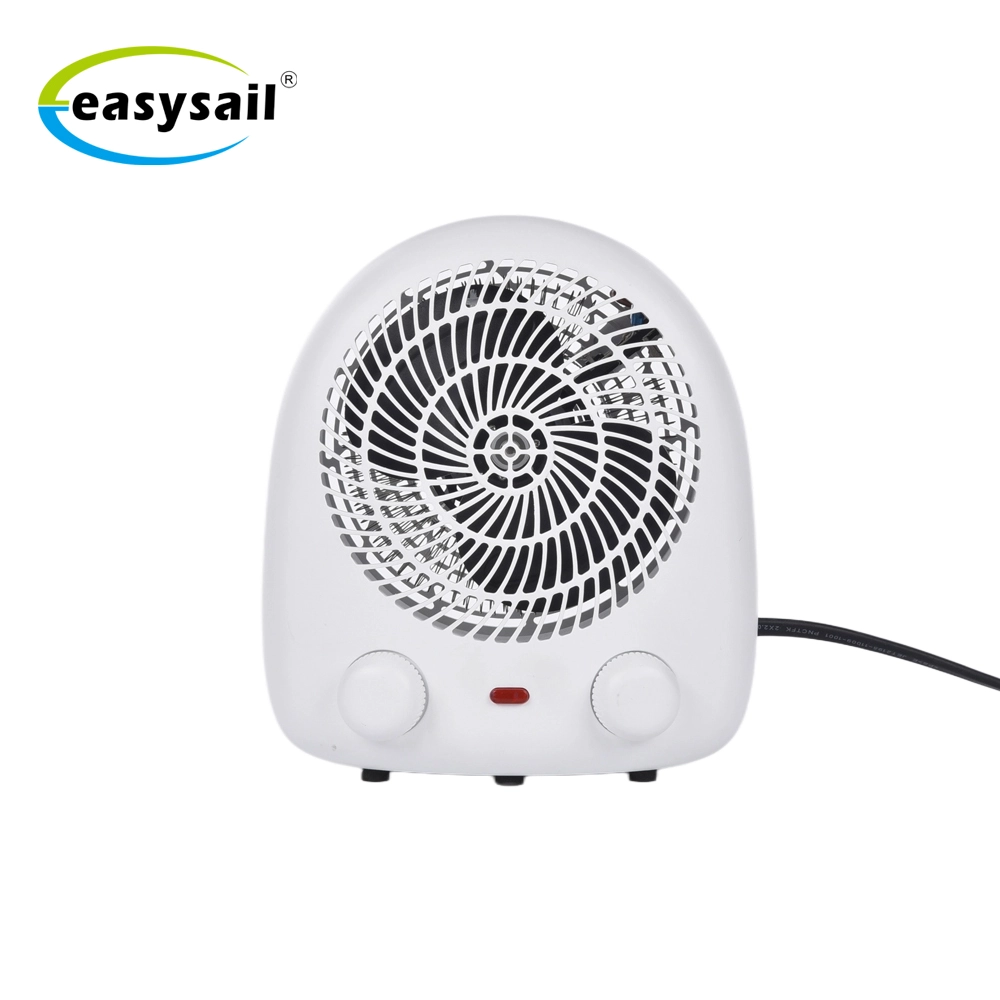
HWA-M Electric Wire Heater with Adjustable Thermostat
The Easysail HWA-M electric wire heater features 3 heat settings (Low Medium High) and an adjustable thermostat for flexible temperature control. Designed with a power indicator light and tip-over safety function, it ensures safe and reliable heating with simple and durable operation.
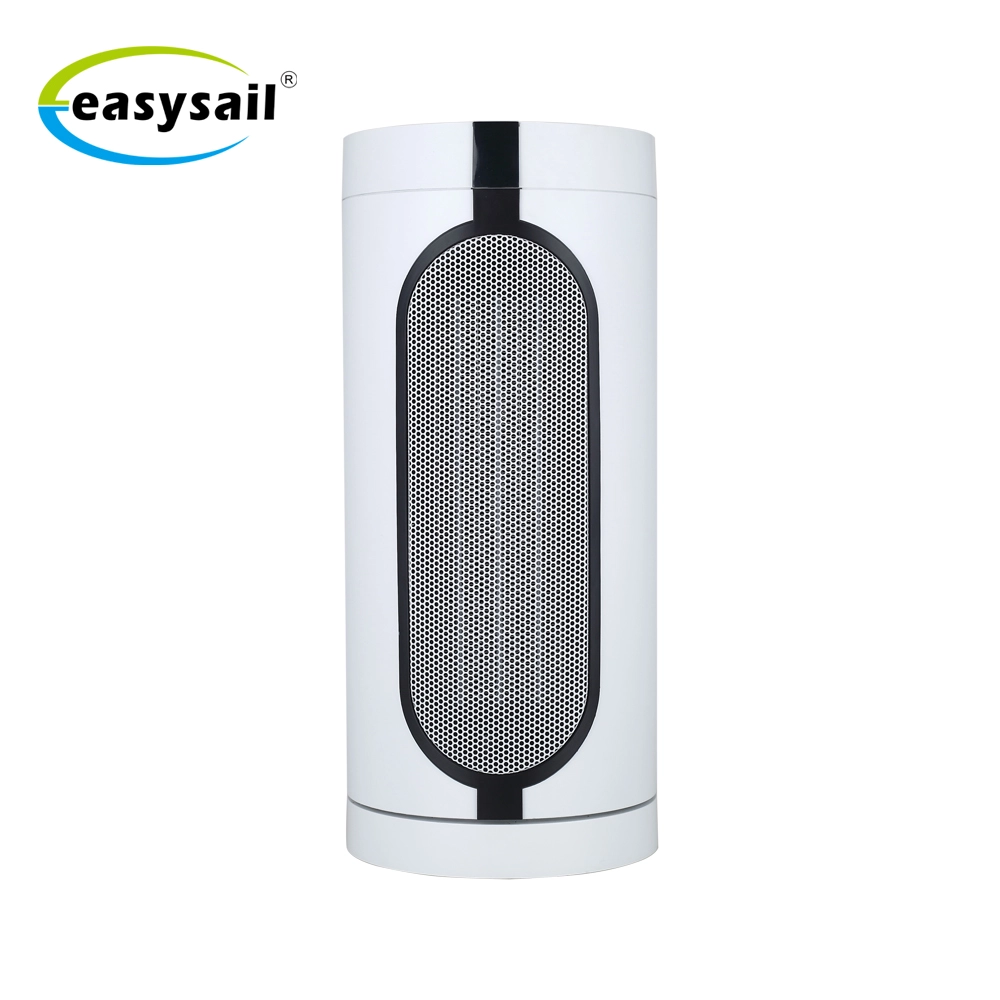
White Electric Ceramic Heater HPA-1
Easysail’s White Electric Ceramic Heater HPA-1 offers efficient, portable warmth with advanced ceramic technology. As a leading electric ceramic heater manufacturer, we ensure reliable performance and safety. Ideal for home or office, this compact heater delivers fast, energy-saving comfort wherever you need it.
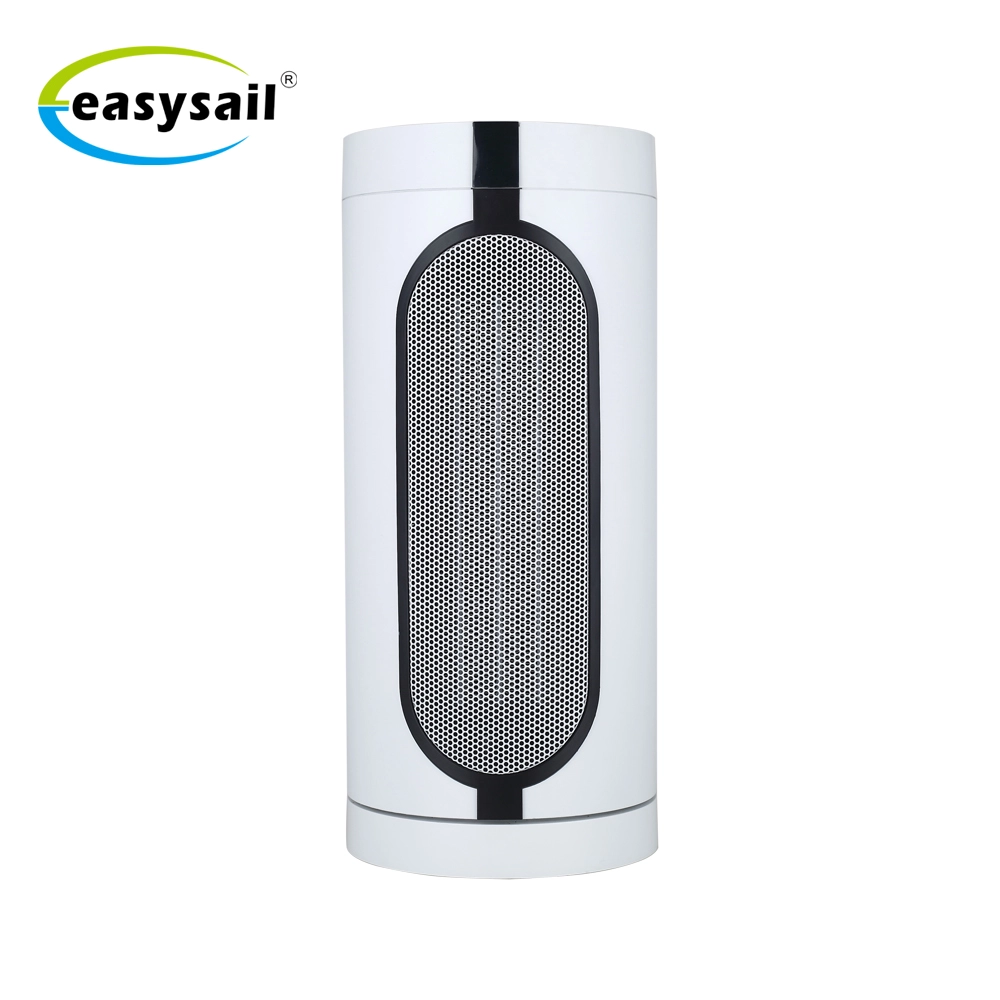
HPA-1 PTC Electric Heater with Dual Heating Elements LED Display
The Easysail HPA-1 electric heater features dual PTC heating elements for fast and efficient heating. With LED display and electronic control, 3 modes, and adjustable temperature from 18–35°C, it ensures precise comfort. The remote control, 60° oscillation, timer, and safety protection system provide convenient and reliable use.
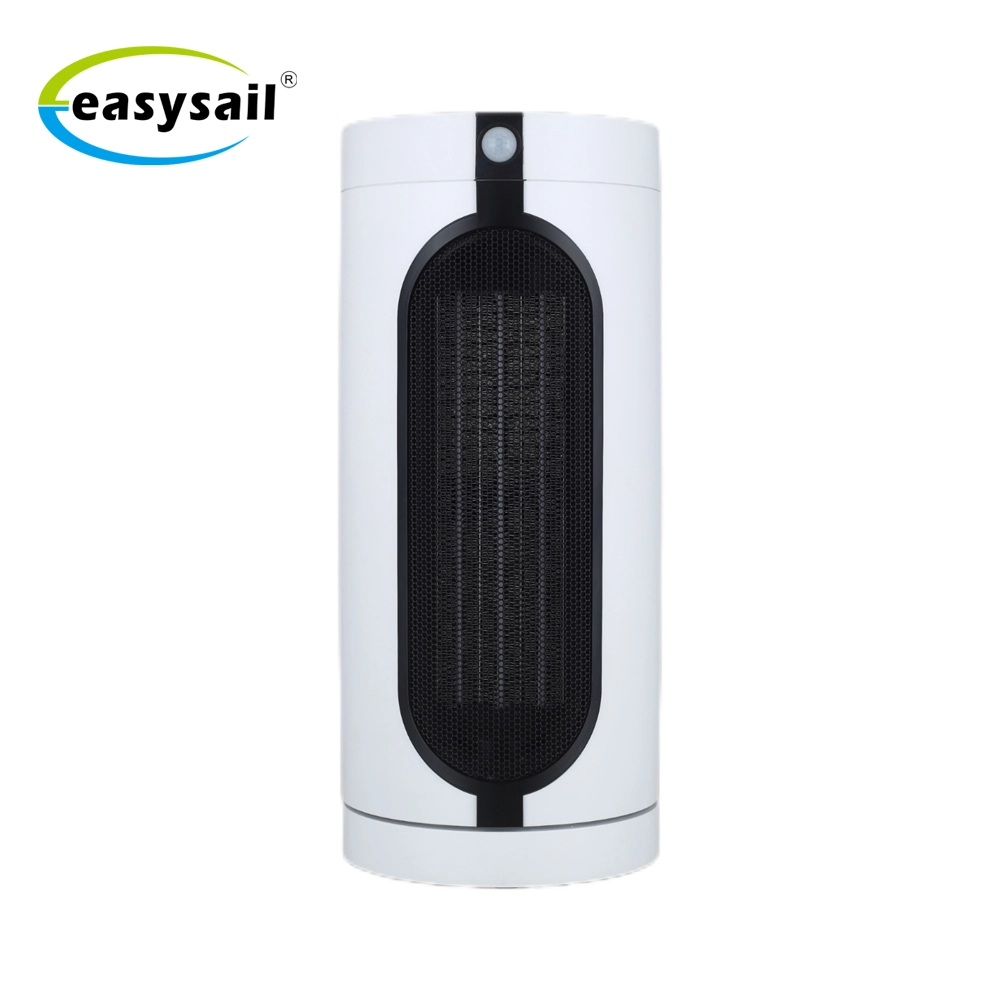
Electric Ceramic Heater HPA-S
Experience cozy warmth with the Easysail HPA-S Electric Ceramic Heater. This energy-efficient electric heater delivers fast, consistent heat, making it an ideal ceramic heater for any space. Enjoy reliable comfort and lower bills.
Get the Latest Updates
Have a specific question or need more details?
Fill out the form, and our team will get back to you with the information you need.

Easysail is a leading manufacturer specializing in the R&D, production, and sales of high-end two-season small home appliances.
Contact
We’re just a call away.
+86 757 2281 5038
Got a question?
YouTube
Instagram
Facebook