
Pedestal Fan Materials and Durability: What Buyers Need
- Materials and Longevity of Floor-Mounted Cooling Units
- Blade and Impeller Selection: Polymers vs. Metal
- Structural Housings: Corrosion Resistance and Stiffness
- Base and Stability Engineering
- Drive Systems, Bearings and Thermal Management
- AC Versus Brushless DC Motors: Performance and Efficiency
- Bearing Selection: Sleeve, Ball, and Sealed Units
- Thermal Protection and Motor Insulation
- Testing, Standards and Procurement Controls
- Mandatory and Recommended Conformity Marks
- Accelerated Durability and Environmental Trials
- Quality Gates and Incoming Inspection Protocols
- Commercial Considerations: Lifecycle Costing and Customization
- Total Cost of Ownership and Warranty Economics
- Customization, OEM/ODM Scalability and Supply Security
- Maintenance and Spare-Parts Strategy
- Why Manufacturing Capability and Certification Matter for Buyers
- Factory Infrastructure and R&D Capacity
- Traceability, Audits and Ethical Compliance
- Practical Checklist for RFQ and Supplier Evaluation
- Frequently Asked Questions
High-performing, long-life floor-mounted cooling units require an integrated view of materials science, electric drive engineering, and rigorous quality systems; buyers evaluating standing air circulators should prioritize motor topology, impeller polymerization grade, grille and base metallurgy, corrosion and UV resistance, bearing type, and certified production controls to reduce total cost of ownership and warranty claims—this guide maps material trade-offs, testing protocols aligned with global conformity frameworks and practical procurement checklists for retailers, distributors and project specifiers.
Materials and Longevity of Floor-Mounted Cooling Units
Blade and Impeller Selection: Polymers vs. Metal
Choosing between engineered thermoplastics and stamped alloys for the rotating element affects aerodynamic efficiency, noise, impact resistance and supply chain cost. High-grade polypropylene (PP) with glass fill or UV-stabilized acrylonitrile butadiene styrene (ABS) balances low weight, high yield strength and good surface finish—suitable for consumer lines where damage tolerance and injection-mould consistency are required. Alloyed aluminum or thin-gauge steel impellers deliver higher tip stiffness and can maintain aerodynamic profile under load but increase centrifugal stress on the motor and require corrosion mitigation. Buyers should request material data sheets (MDS), heat-deflection temperature, and accelerated UV exposure reports when comparing options.
Structural Housings: Corrosion Resistance and Stiffness
Enclosures and support pillars determine long-term serviceability in humid, coastal or industrial environments. Powder-coated steel provides stiffness and cost efficiency; marine-grade aluminum or stainless steel substrates are recommended for salt-laden atmospheres. For lightweight, low-cost SKUs, engineering plastics with fiber reinforcement and flame-retardant additives can meet safety classes while reducing freight weight. Procurement teams must evaluate coating adhesion tests, salt spray (ASTM B117) outcomes and surface roughness metrics before acceptance.
Base and Stability Engineering
Operational safety and perceived quality are heavily influenced by pedestal base geometry and mass distribution. Wide-footprint, weighted bases with anti-slip pads reduce tip-over risk, especially for oscillating units. For tall, height-adjustable models, telescopic supports must include positive-lock mechanisms and fatigue test certificates. Buyers should require dynamic stability reports and torque-to-overturn values as part of the technical packet.
Drive Systems, Bearings and Thermal Management
AC Versus Brushless DC Motors: Performance and Efficiency
Traditional alternating-current induction motors provide robustness and lower BOM cost but consume more power and generate higher heat under continuous operation. Brushless DC (BLDC) motors offer superior energy efficiency, finer speed control, reduced acoustic signature and longer operational life due to electronic commutation. For large-volume retail or energy-sensitive contracts, lifecycle energy savings with BLDC typically offset higher initial unit cost—request duty-cycle energy simulations and real-world run-hour data when evaluating suppliers.
Bearing Selection: Sleeve, Ball, and Sealed Units
Bearings are a primary wear point. Sleeve bearings are economical but sensitive to axial loads and lubricant breakdown; precision ball bearings (sealed or shielded) provide longer mean time between failures (MTBF) and better tolerance to oscillation stresses. For commercial or high-usage deployments, sealed ball bearings with temperature-rated grease are recommended. Suppliers should provide bearing supplier certifications and bearing life calculations (L10h) under expected load profiles.
Thermal Protection and Motor Insulation
Thermal cutouts, overcurrent protection and motor insulation class (e.g., Class B, F) determine failure modes under sustained operation. Thermal overload relays and automatic reset/protection circuits reduce catastrophic failures but should be specified according to duty class. Verify motor winding varnish, insulation system test voltage and thermal aging reports as part of the factory acceptance criteria.
Testing, Standards and Procurement Controls
Mandatory and Recommended Conformity Marks
Regulatory compliance reduces market entry risk. Manufacturing partners should demonstrate adherence to internationally recognized frameworks: quality management per ISO 9001 - Quality management, and electrical safety and appliance harmonization via the International Electrotechnical Commission and nationally recognized certification bodies (e.g., CE, CB, ETL, KC) for target markets. Social compliance such as amfori BSCI is often required by global retail chains. Request documented test reports and recognized lab certificates during RFQ evaluation.
Accelerated Durability and Environmental Trials
Standardized trials include continuous run tests (e.g., 1,000–5,000 hours), vibration and mechanical shock, ingress protection where applicable, salt spray and thermal cycling. Establish pass/fail criteria up front: acceptable drift in rpm, acoustic increase thresholds, insulation resistance decline limits, and critical dimension tolerances. Independent third-party lab verification (UL/Intertek/TUV) adds credibility for large-scale procurements.
Quality Gates and Incoming Inspection Protocols
Introduce clear IQC checkpoints: material certificates per batch, incoming dimensional CMM reports, motor electrical parameter verification (no-load current, torque curves), and random destructive testing of bonded joints and welds. Use statistical sampling (e.g., ANSI/ASQ Z1.4) for mass production acceptance and require corrective action reports (CARs) for nonconformities. A supplier should provide production control plans (PCP) and first article inspection (FAI) documentation before ramping to mass output.
Commercial Considerations: Lifecycle Costing and Customization
Total Cost of Ownership and Warranty Economics
Initial unit price is only part of the procurement calculation. Include expected service life, energy consumption under typical duty cycles, warranty claim rates, and spare-parts availability in the TCO model. For example, energy-efficient motors and higher-spec bearings increase upfront cost but can reduce warranty events and field service expenses. Set KPI targets for return rates and field MTBF in supplier contracts.
Customization, OEM/ODM Scalability and Supply Security
For private-label programs, verify an OEM partner’s ability to support customized industrial design, firmware or control interfaces, packaging and barcoding. Assess factory scale-up plans, alternate sourcing for critical components (motors, bearings, electronic controllers) and lead-time buffers for seasonal demand spikes. Contractual clauses for minimum acceptable inventory and escalation procedures protect channel partners from stock-outs.
Maintenance and Spare-Parts Strategy
Design for serviceability reduces downtime: modular motor assemblies, replaceable impellers and user-accessible bearings simplify field repairs. Buyers should negotiate spare-part kits, recommended preventive maintenance intervals, and local service training. Documented troubleshooting guides and exploded-part drawings are necessary deliverables for after-sales teams.
| Component | Common Options | Key Performance Indicators | Typical Use Case |
|---|---|---|---|
| Impeller | PP (UV-stab), ABS GF, Aluminum alloy | Weight, impact strength, tip deflection | Consumer retail / commercial high-stress |
| Motor | AC induction, BLDC | Efficiency, torque curve, lifecycle hours | Cost-sensitive SKUs / Energy-efficient lines |
| Bearing | Sleeve, Open Ball, Sealed Ball | L10 life (hours), noise rise | Low-use household / Continuous commercial use |
| Housing | Powder-coated steel, Aluminum, Reinforced plastic | Corrosion rating, stiffness, weight | Indoor domestic / Coastal or industrial |
Supplier selection should be guided by verifiable test data, auditable quality systems and documented production traceability rather than price alone. For buyers seeking OEM or white-label production, alignment on standards, lead times and commercial terms is essential to mitigate market and operational risk.
Why Manufacturing Capability and Certification Matter for Buyers
Factory Infrastructure and R&D Capacity
Partners with integrated R&D and controlled production lines can shorten time-to-market and reduce engineering change costs. Major buyers should favor manufacturers providing in-house prototyping, climatic chambers for accelerated ageing, and an engineering team capable of supporting regulatory testing and firmware customization. Technical capability directly affects SKU flexibility and responsiveness to emergent market trends.
Traceability, Audits and Ethical Compliance
On-site audits for product quality and social compliance remain a procurement mainstay. Insist on supplier records for component lot numbers, nonconformance history and documented corrective actions. Ethical sourcing commitments and third-party social audits reduce reputational risk for retail partners and global distributors.
Practical Checklist for RFQ and Supplier Evaluation
Required documents and data during tendering should include: product specification sheet, material certificates (RoHS/REACH where applicable), motor test reports, bearing L10 calculations, environmental and safety test reports, certification copies (ISO 9001, relevant CB/ETL/CE reports), factory audit summaries and sample inspection plans. A robust RFQ will shorten negotiation cycles and improve supply predictability.
Foshan Easysail Electrical Technology Co., Ltd., established in 2009 and headquartered in Shunde, China—a global hub for appliance manufacturing—is a premier OEM & ODM partner for global brands. We specialize in providing comprehensive, end-to-end manufacturing solutions as a trusted household fans manufacturer, air cooler manufacturer, and electric heater manufacturer.
Operating a 6,000㎡ ISO9001 and BSCI-certified production base, our operations are driven by an innovative in-house R&D and engineering team of over 100 professionals. We are dedicated to developing high-performance two-season climate appliances, ensuring year-round comfort through advanced air circulation, cooling, and heating technologies.
From conceptual industrial design and rapid prototyping to stable mass production and rigorous quality control, we ensure every product meets strict international standards (CE, CB, ETL, KC). Exporting over 2 million units annually to 30+ countries, we are the designated supplier for top-tier retail chains, importers, and e-commerce sellers worldwide. Partner with Easysail to build competitive, market-ready home appliances with a reliable global supply chain; key product families include Air Cooler, Electric Heater and household fans.
For direct inquiries on OEM/ODM programs, technical dossiers, MOQ and lead-time planning, contact our sales engineering team at ysh@myeasysail.com.
Frequently Asked Questions
Which blade material provides the best balance of durability and cost for high-volume retail units?
UV-stabilized polypropylene (PP) or mid-grade ABS with a UV compound typically provides the best mix of low weight, impact resistance and economical tooling for mass-produced retail lines; alloyed metal impellers perform better in high-stress or industrial use but add cost and require corrosion protection.
How much longer do BLDC motors last compared with standard AC induction motors in continuous-use applications?
Brushless DC motors often exhibit longer operational life due to reduced mechanical wear and lower running temperatures; while exact life depends on duty cycle and thermal management, BLDC-equipped units commonly deliver measurable reductions in warranty claims and energy consumption over equivalent AC models—buyers should request manufacturer MTBF data and real-world run-hour reports.
What certifications should suppliers provide to ensure safe market entry in multiple regions?
Suppliers should provide quality system certification such as ISO 9001, applicable product safety or conformity certificates (CE/CB/ETL/KC) and independent laboratory test reports aligned with IEC or national standards; social compliance records such as amfori BSCI audits are also commonly required by global retailers.
What are the key factory-level quality controls buyers must mandate in the contract?
Mandatory controls include incoming material certificates, first article inspection (FAI), production control plans (PCP), statistical sampling plans (e.g., ANSI/ASQ Z1.4), batch traceability, and corrective action reporting for nonconformities; require independent third-party testing for critical safety and durability tests.
How should warranty and spare-parts strategy be structured for white-label products?
Negotiate clear warranty windows with defined failure rates and responsibilities, include spare-part kits and technical documentation in the supply agreement, and set local service response times; include clauses for parts availability, price stability and escalation processes to limit channel disruption.
Best indoor infrared electric heater for home manufacturers and supplier
Small Fan Placement Tips to Improve Apartment Airflow
Indoor Infrared Electric Heater for Home: Buyer's Guide
Noise Ratings and Specs: Bedroom Whole-Room Circulator Fans
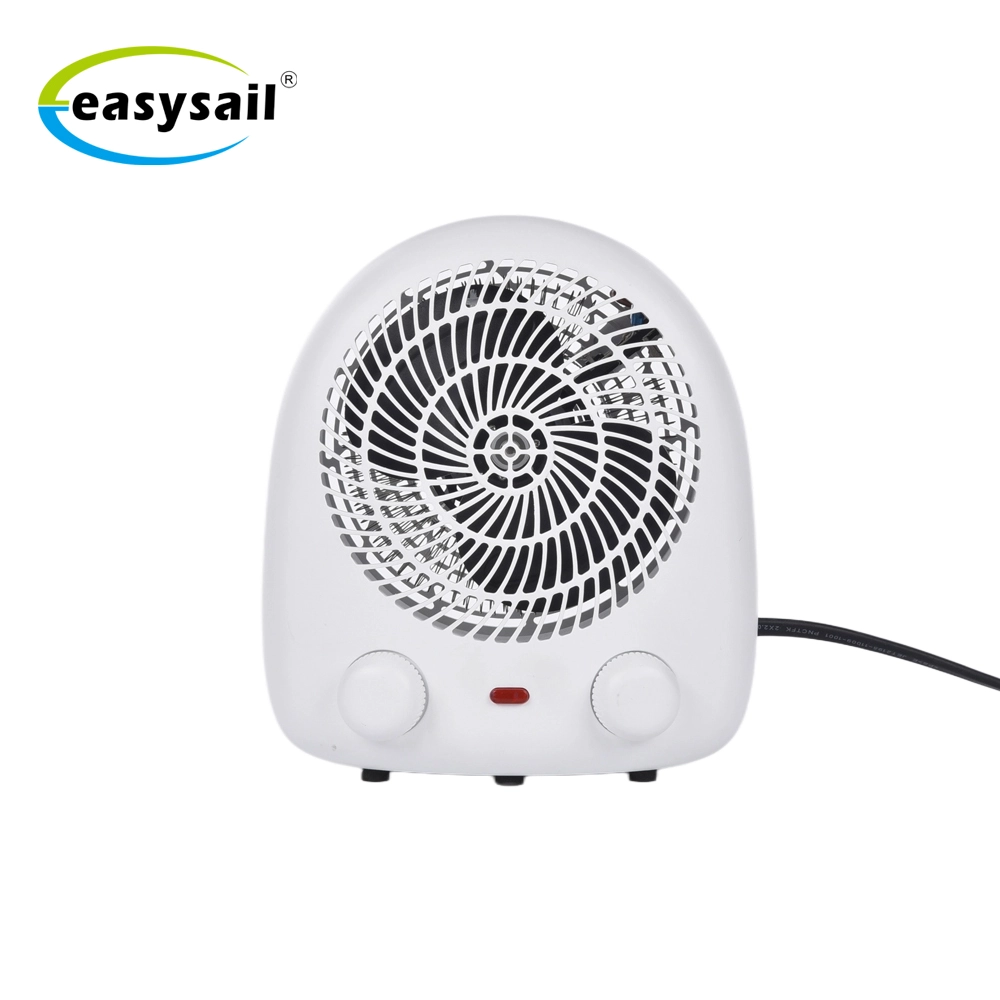
HWA-M Electric Wire Heater with Adjustable Thermostat
The Easysail HWA-M electric wire heater features 3 heat settings (Low Medium High) and an adjustable thermostat for flexible temperature control. Designed with a power indicator light and tip-over safety function, it ensures safe and reliable heating with simple and durable operation.
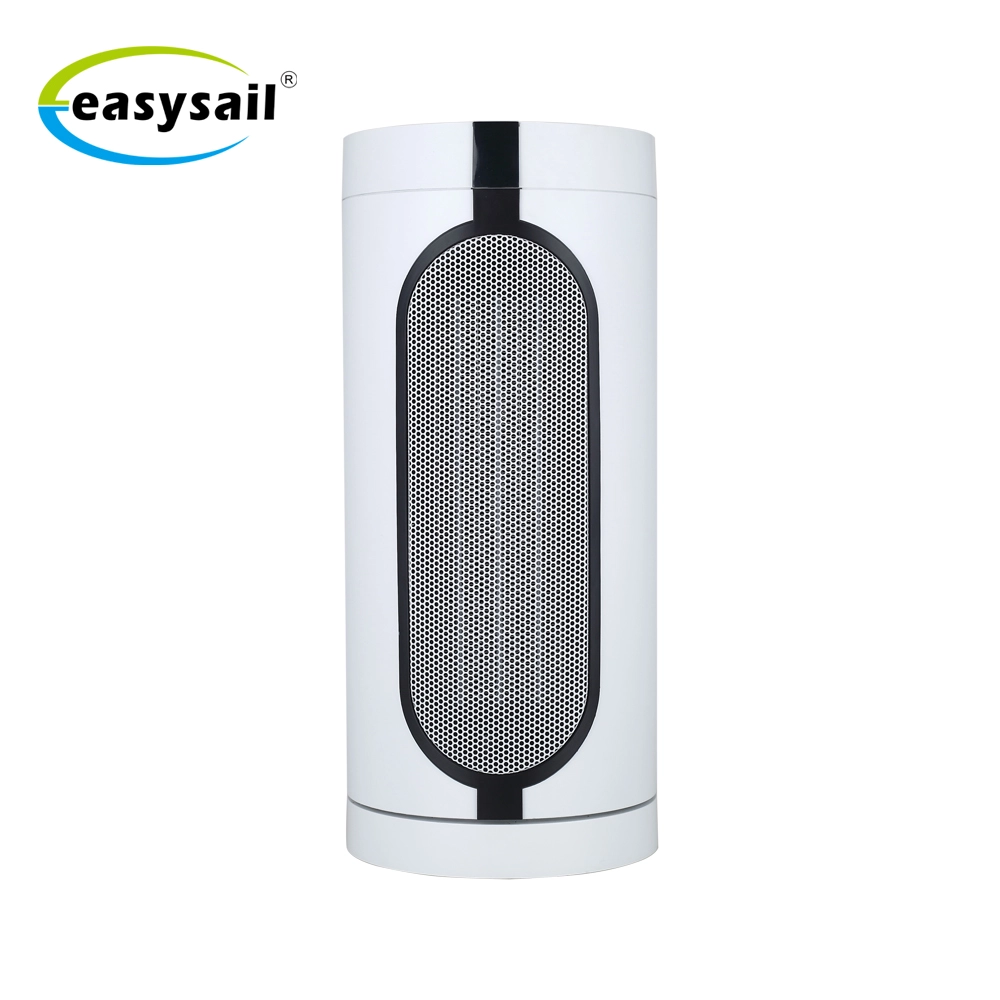
White Electric Ceramic Heater HPA-1
Easysail’s White Electric Ceramic Heater HPA-1 offers efficient, portable warmth with advanced ceramic technology. As a leading electric ceramic heater manufacturer, we ensure reliable performance and safety. Ideal for home or office, this compact heater delivers fast, energy-saving comfort wherever you need it.
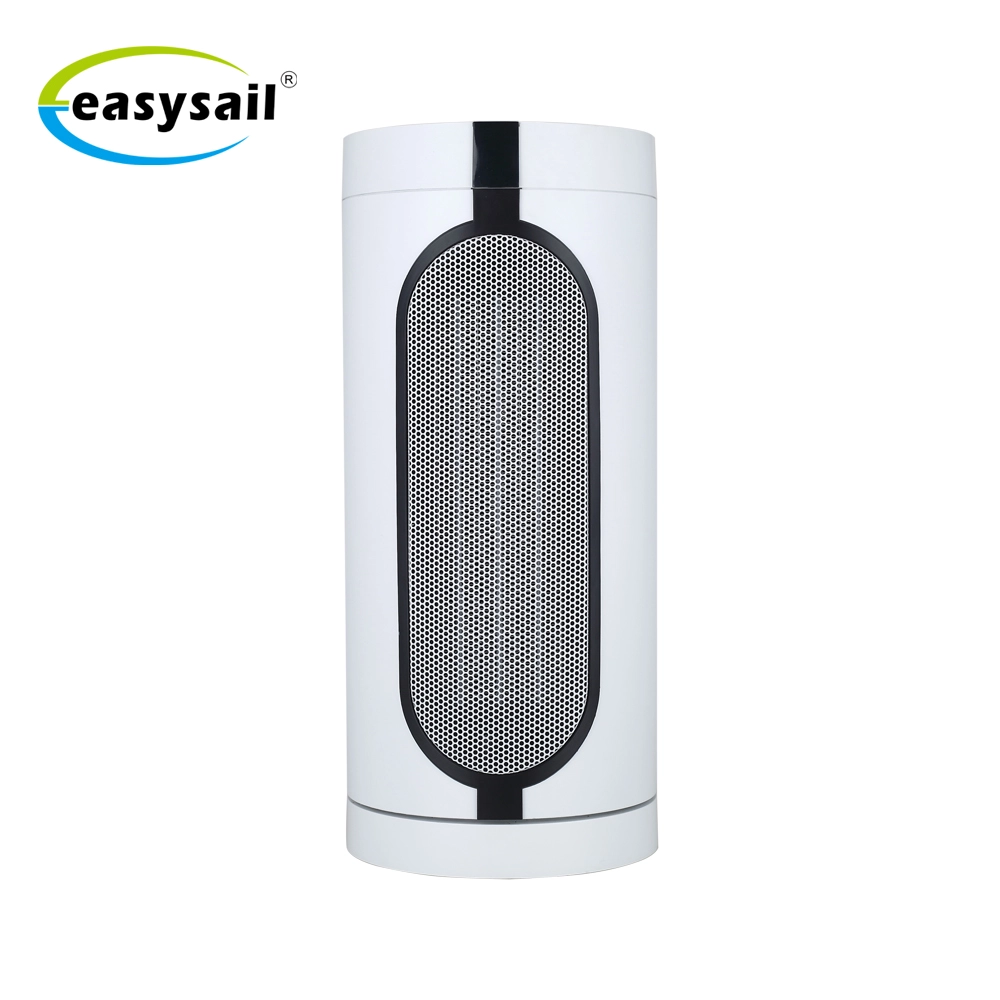
HPA-1 PTC Electric Heater with Dual Heating Elements LED Display
The Easysail HPA-1 electric heater features dual PTC heating elements for fast and efficient heating. With LED display and electronic control, 3 modes, and adjustable temperature from 18–35°C, it ensures precise comfort. The remote control, 60° oscillation, timer, and safety protection system provide convenient and reliable use.
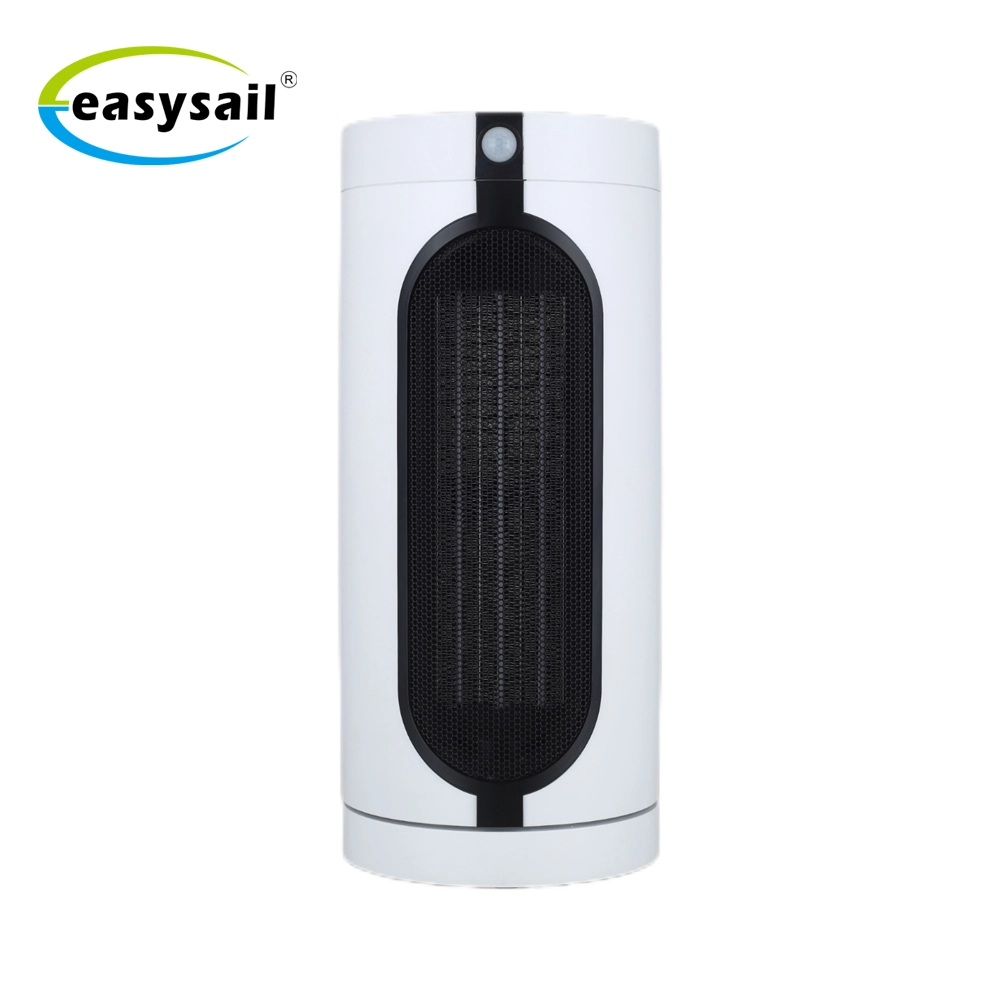
Electric Ceramic Heater HPA-S
Experience cozy warmth with the Easysail HPA-S Electric Ceramic Heater. This energy-efficient electric heater delivers fast, consistent heat, making it an ideal ceramic heater for any space. Enjoy reliable comfort and lower bills.
Get the Latest Updates
Have a specific question or need more details?
Fill out the form, and our team will get back to you with the information you need.

Easysail is a leading manufacturer specializing in the R&D, production, and sales of high-end two-season small home appliances.
Contact
We’re just a call away.
+86 757 2281 5038
Got a question?
YouTube
Instagram
Facebook