Voltage and Motor Types: Choosing the Right Pedestal Fan
Practical guidance for procurement teams and product developers on choosing the correct voltage profile and motor architecture for stand-mounted cooling units, covering mains compatibility (110–120V vs 220–240V), frequency and power-quality impacts, motor options from shaded-pole to BLDC, and selection criteria for reliability, efficiency, and regulatory compliance; includes a comparative motor data table and explains how a certified OEM partner like Easysail supports OEM/ODM projects with ISO9001/BSCI production, CE/CB/ETL/KC approvals, and global supply-chain scale.
- Voltage Profiles and Power Requirements for Stand-Mounted Cooling Units
- Mains Voltage and Frequency: Matching Site Electricity to Product Design
- Inrush Current, Transformers, and Generator Compatibility
- Site Power Quality and Mitigation Strategies
- Comparing Motor Architectures: From Shaded-Field Rotors to Brushless Drives
- Traditional AC Induction Variants: Shaded-Pole and Capacitor-Run
- Brushless DC (BLDC) and Electronic-Commutated Solutions
- Serviceability, Protection, and Lifecycle Expectations
- Specifying a Height-Adjustable Oscillating Circulator for Projects
- Key Performance Metrics: Airflow, Coverage, and Sound
- Energy Consumption and Total Cost of Ownership (TCO)
- Procurement Checklist: Minimum Requirements for Suppliers
- Why Choose Easysail as Your OEM & ODM Partner for Stand-Mounted Cooling Products
- Manufacturing Scale, Certifications, and R&D Capabilities
- Certified Compliance, Testing, and Market Access
- Product Range, Export Footprint and After-Sales Support
- How Easysail Reduces Procurement Risk
- Frequently Asked Questions
Practical guidance for procurement teams and product developers on choosing the correct voltage profile and motor architecture for stand-mounted cooling units, covering mains compatibility (110–120V vs 220–240V), frequency and power-quality impacts, motor options from shaded-pole to brushless direct-current drives, and selection criteria for reliability, efficiency, and regulatory compliance; includes a comparative motor data table and explains how a certified OEM partner like Easysail supports OEM/ODM projects with ISO9001/BSCI production, CE/CB/ETL/KC approvals, and global supply-chain scale.
Voltage Profiles and Power Requirements for Stand-Mounted Cooling Units
Mains Voltage and Frequency: Matching Site Electricity to Product Design
Buyers must align product electrical ratings with target-market mains: North American projects typically require 110–120V at 60Hz, while Europe, Asia, Africa, and Australia commonly use 220–240V at 50Hz. Specifying the incorrect nominal voltage or frequency leads to reduced motor performance, incorrect rotational speeds, and premature wear. For dual-market SKUs, consider designing dual-voltage models or adding internal switching that supports both mains profiles to reduce SKUs while maintaining compliance.
Inrush Current, Transformers, and Generator Compatibility
Initial motor inrush can exceed steady-state current by 3–8x for capacitor-run and shaded-pole assemblies. Project owners integrating portable generators or inverter-based UPS systems should validate start-up capability and select soft-start or electronic-drive variants when necessary. Specifying locked-rotor current limits and verifying generator transient response reduces failure risk on job sites and in temporary installations.
Site Power Quality and Mitigation Strategies
Power quality—voltage dips, harmonics, and THD—affects motor heating and electronic speed controllers. For facilities with variable-frequency drives on other equipment or long feeder runs, include surge suppression, line filters, and over-voltage protection in procurement requirements. Compliance with recognized electrical safety standards is a baseline; see guidance from Electric fan - Wikipedia and electrical certification authorities for regional expectations.
Comparing Motor Architectures: From Shaded-Field Rotors to Brushless Drives
Traditional AC Induction Variants: Shaded-Pole and Capacitor-Run
Shaded-pole motors are simple and low-cost with minimal control complexity, but they are inefficient and generate higher heat—typical in lower-price consumer units or small circulation devices. Capacitor-run (permanent-split capacitor) designs offer better torque and higher efficiency than shaded-pole types and remain common in mid-range stand units. For projects prioritizing capex over operating expense, these classical motors remain viable; however, operational energy budgets must be evaluated over product lifetime.
Brushless DC (BLDC) and Electronic-Commutated Solutions
BLDC technology provides significant improvements in energy efficiency (especially at partial loads), quieter operation, precise electronic speed control, and easier integration with smart controls (PWM, remote, or app-based control). BLDC assemblies typically reduce lifetime energy consumption and heat generation, making them suitable for High Quality home appliance lines, energy-conscious commercial installations, and products requiring advanced features such as timed schedules and telemetry.
Serviceability, Protection, and Lifecycle Expectations
Motor selection should reflect maintenance assumptions: sealed bearing motors reduce service touchpoints, whereas replaceable-bearing designs simplify field repair. Include thermal cutoff, overcurrent protection, and ingress (IP) ratings in specifications. For long-term reliability metrics, require MTBF data and test reports from the supplier's R&D or lab facilities; verified data accelerates procurement approval cycles and eases warranty provisioning.
| Motor Type | Typical Efficiency | Noise (dB) | Speed Control | Relative Cost | Recommended Use Case |
|---|---|---|---|---|---|
| Shaded-pole (Low-cost AC) | 10–30% | 55–70 | Basic (tap or resistor) | Low | Budget consumer units, low-hour usage |
| PSC / Capacitor-run | 30–55% | 50–65 | Capacitor-based speed stages | Medium | Mainstream household and commercial units |
| BLDC / EC (electronic commutation) | 60–85% | 35–55 | Electronic PWM, wide range | High | Energy-efficient lines, integrated smart products |
Specifying a Height-Adjustable Oscillating Circulator for Projects
Key Performance Metrics: Airflow, Coverage, and Sound
Procurement specifications should include volumetric airflow (CFM or m3/h), oscillation angle, blade diameter, and sound-pressure-level targets at standard distances. For commercial spaces where airflow distribution is critical, specify static pressure capability in addition to free-air CFM. Effective placement and oscillation parameters can reduce the number of units required and improve perceived cooling performance.
Energy Consumption and Total Cost of Ownership (TCO)
Energy cost is frequently the largest lifecycle expense for circulated-air products. Project owners should model annual energy use: multiply rated power by expected duty cycle (hours/day × days/year) and local energy price to compare operating cost between motor types. In many regions, moving from a standard PSC motor to a BLDC variant yields TCO improvements within 12–36 months depending on duty profile and electricity tariffs.
Procurement Checklist: Minimum Requirements for Suppliers
Include the following mandatory items in RFQs and contracts: certified electrical ratings (voltage/frequency), safety approvals (CE/CB/ETL/KC as applicable), factory production standards (ISO9001, BSCI), test reports for MTBF and thermal endurance, minimum warranty terms, MOQ and lead time, and available OEM/ODM customization options. Require vendor-provided test data to expedite internal compliance and risk assessments.
Why Choose Easysail as Your OEM & ODM Partner for Stand-Mounted Cooling Products
Manufacturing Scale, Certifications, and R&D Capabilities
Foshan Easysail Electrical Technology Co., Ltd., established in 2009 and headquartered in Shunde, China—a global hub for appliance manufacturing—is a premier OEM & ODM partner for global brands. We operate a 6,000㎡ ISO9001 and BSCI-certified production base and maintain an in-house R&D and engineering team of over 100 professionals. Buyers benefit from a partner that combines certified quality management with product development speed and regulatory awareness; for details about ISO 9001 quality management expectations see ISO 9001 - ISO.
Certified Compliance, Testing, and Market Access
Our end-to-end manufacturing processes ensure product conformance to international standards—CE, CB, ETL, KC—reducing time-to-market and simplifying market entry for retail chains and e-commerce sellers. Certification and testing accelerate buyer acceptance; for region-specific marking guidance see CE marking - European Commission and for product safety program recognition see ETL - Intertek.
Product Range, Export Footprint and After-Sales Support
Easysail specializes in developing high-performance two-season climate appliances—air coolers, electric heaters, and household circulation systems—ensuring year-round comfort through advanced air movement and heating/cooling technologies. Exporting over 2 million units annually to 30+ countries, the company supports OEMs, distributors, and brand owners with production scalability, customization services, and documented quality-control processes. For technical trends and motor technology standards consult authoritative engineering communities such as IEEE.
How Easysail Reduces Procurement Risk
We provide validated samples, EMC and electrical safety testing, optional BLDC motor platforms for energy-sensitive projects, and structured warranty programs. Typical project workflows include concept design, rapid prototyping, pre-production validation, and controlled ramp to mass production—minimizing surprises and aligning deliveries to retail or import timelines. Buyers should request datasheets that include inrush current, steady-state power, acoustic curves, and MTBF to complete technical approvals.
For OEM and ODM inquiries about energy-efficient stand-mounted circulators, integrated two-season climate products, or bespoke branding opportunities, contact our commercial team at ysh@myeasysail.com.
Frequently Asked Questions
Which mains voltage should be specified for stand-mounted cooling units in different markets?
Specify 110–120V at 60Hz for North America and 220–240V at 50Hz for most of Europe, Asia, Africa, and Australia; consider dual-voltage designs or internal switching for multi-market SKUs to reduce SKUs and maintain regulatory compliance.
What are the main advantages of BLDC motors compared with traditional AC motors for circulation products?
BLDC drives provide higher energy efficiency (especially at partial load), lower noise, precise electronic speed control, and better integration with smart controls, leading to lower lifetime operating costs and enhanced product features, though initial unit cost is higher than conventional AC designs.
How should procurement teams assess power-quality risks before specifying a motor type?
Evaluate site THD, voltage dips, and potential generator or inverter use; require vendor data on inrush current and recommend surge suppression or soft-start electronics where generators or long feeder runs are used to avoid startup failures and motor stress.
What certifications and factory standards should buyers require from an OEM supplier?
Require ISO9001 and BSCI factory certification, and product approvals appropriate for target markets such as CE, CB, ETL, and KC; request lab reports and production test records to expedite regulatory and retail approvals.
How can switching to a higher-efficiency motor impact total cost of ownership (TCO)?
Higher-efficiency motors like BLDC reduce energy consumption and heat generation; depending on duty cycle and local electricity rates, payback on the premium hardware can range from 12–36 months, making them preferable for continuous or long-hour applications.
What procurement deliverables accelerate OEM/ODM project approval and reduce risk?
Request complete datasheets (voltage, frequency, inrush and steady-state current, acoustic levels, MTBF), sample test reports, certification copies, clear MOQ and lead-time terms, warranty policies, and a defined failure-rate acceptance for initial production runs.
Best Pedestal Fan Performance Tests and Airflow Comparisons
Best best electric radiant heater indoor manufacturers and supplier
Carton Design for Air Circulators: Protecting the Head, Stand, and Controls in Transit
Cost Savings: Energy Efficient Whole-Room Circulators for Businesses
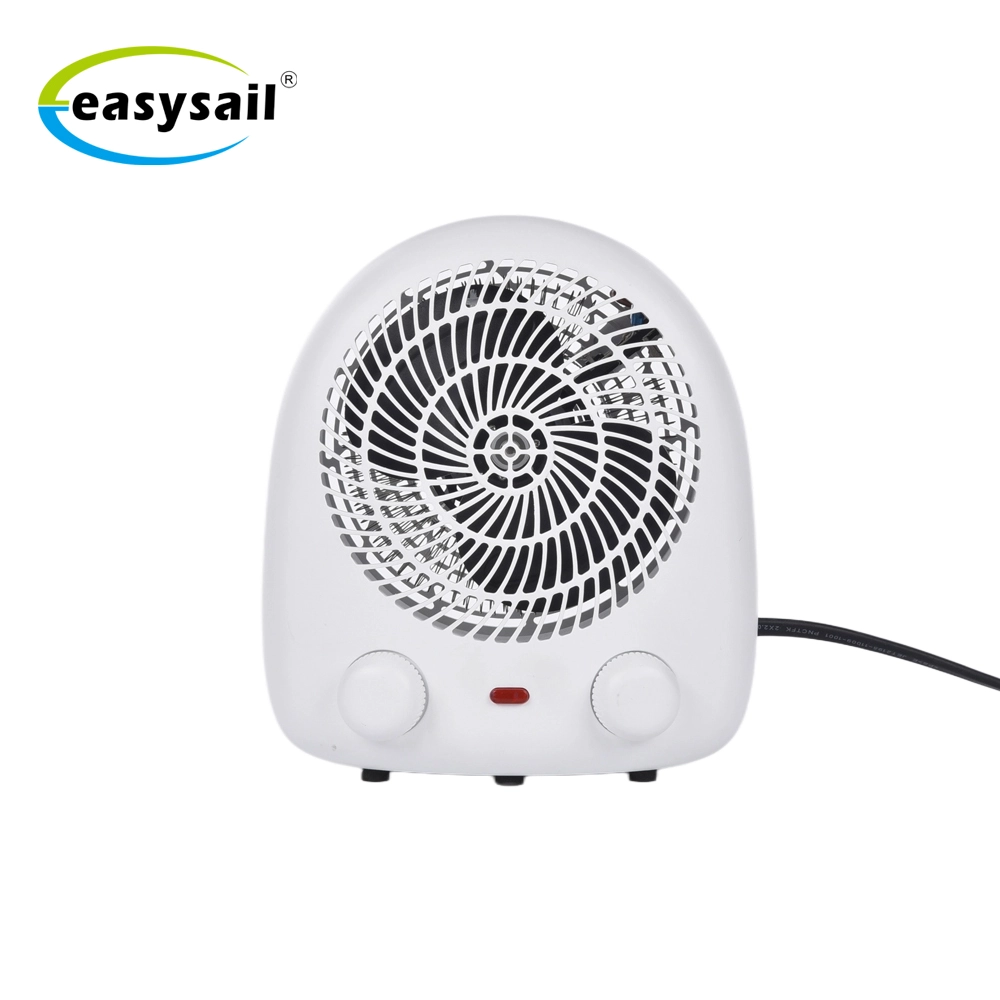
HWA-M Electric Wire Heater with Adjustable Thermostat
The Easysail HWA-M electric wire heater features 3 heat settings (Low Medium High) and an adjustable thermostat for flexible temperature control. Designed with a power indicator light and tip-over safety function, it ensures safe and reliable heating with simple and durable operation.
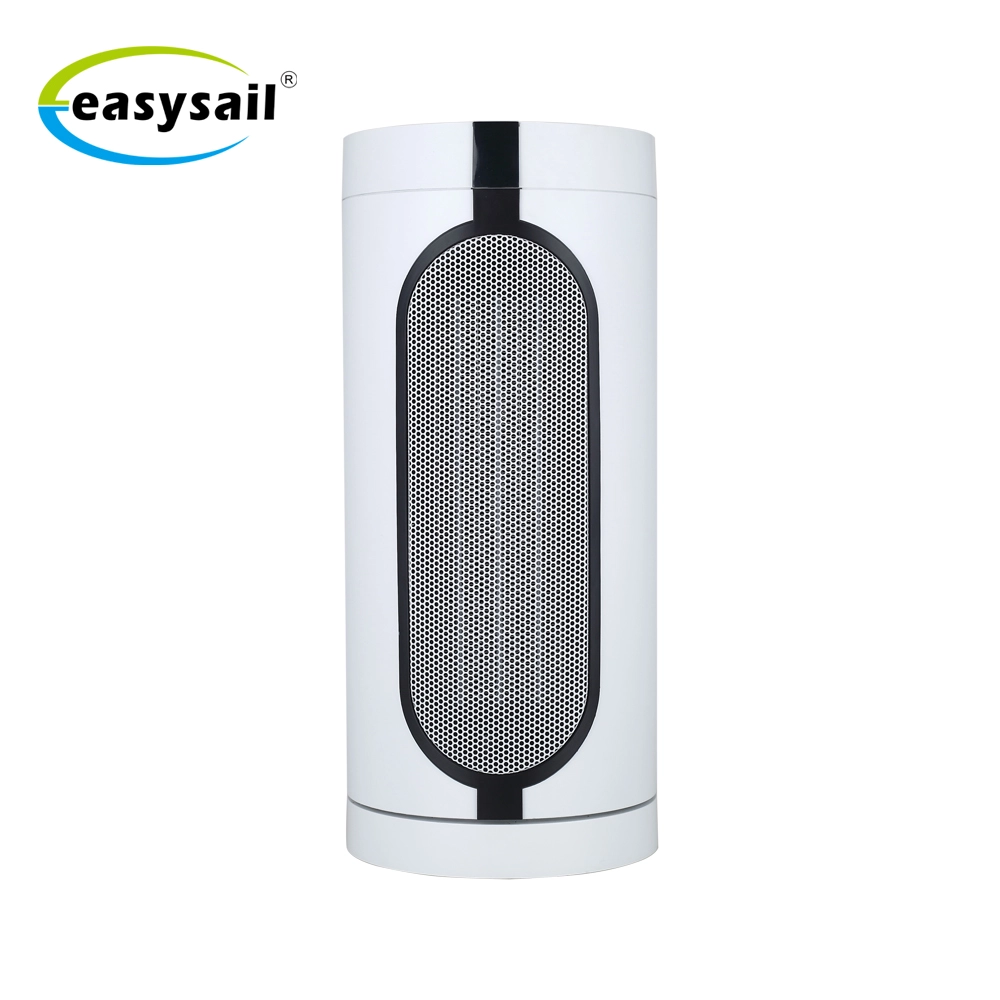
White Electric Ceramic Heater HPA-1
Easysail’s White Electric Ceramic Heater HPA-1 offers efficient, portable warmth with advanced ceramic technology. As a leading electric ceramic heater manufacturer, we ensure reliable performance and safety. Ideal for home or office, this compact heater delivers fast, energy-saving comfort wherever you need it.
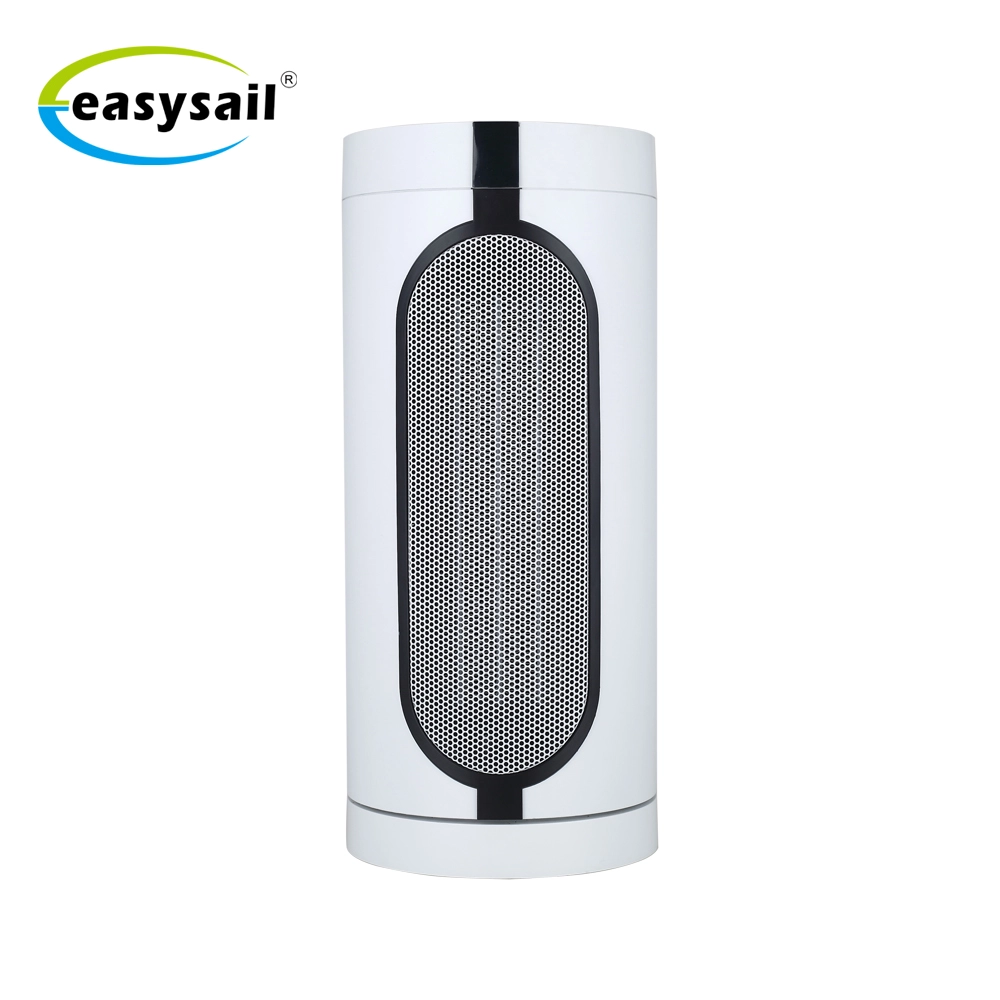
HPA-1 PTC Electric Heater with Dual Heating Elements LED Display
The Easysail HPA-1 electric heater features dual PTC heating elements for fast and efficient heating. With LED display and electronic control, 3 modes, and adjustable temperature from 18–35°C, it ensures precise comfort. The remote control, 60° oscillation, timer, and safety protection system provide convenient and reliable use.
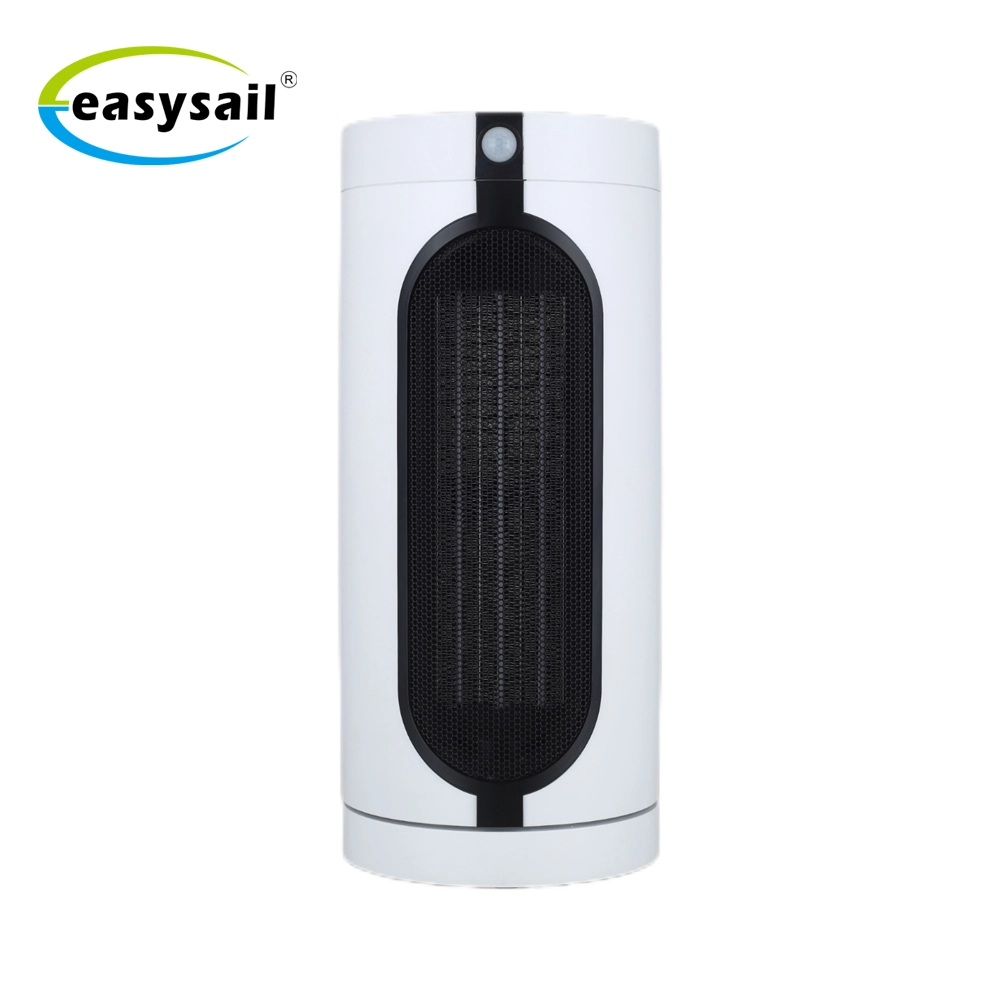
Electric Ceramic Heater HPA-S
Experience cozy warmth with the Easysail HPA-S Electric Ceramic Heater. This energy-efficient electric heater delivers fast, consistent heat, making it an ideal ceramic heater for any space. Enjoy reliable comfort and lower bills.
Get the Latest Updates
Have a specific question or need more details?
Fill out the form, and our team will get back to you with the information you need.

Easysail is a leading manufacturer specializing in the R&D, production, and sales of high-end two-season small home appliances.
Contact
We’re just a call away.
+86 757 2281 5038
Got a question?
YouTube
Instagram
Facebook