
Do Fans Actually Help with Air Circulation? The Truth About Air Circulator Fans
Many ask, "do fans help with air circulation?" Discover why a true air circulator fan is essential for your home, how it differs from traditional fans, and why it's a year-round energy saver.
We have all experienced it: it is the middle of July, the room feels like an oven, and you have a standard pedestal fan running at its highest speed. As long as you are sitting directly in front of it, you feel a temporary, cooling breeze. But the moment you move to the other side of the room, the oppressive heat returns.
This common frustration leads to a question we hear frequently in the home appliance industry: "Do fans help with air circulation?"
If we are talking about traditional, standard fans, the harsh truth is no. They don't necessarily circulate air throughout the room; they merely push it around in a highly localized area. However, if you upgrade your cooling strategy to a true air circulator fan, the answer changes completely.
Let's dive into the aerodynamics behind an air circulator fan, why it has become a staple in modern European households, and how choosing the right model can help create your indoor environment all year round.
The Illusion of Cooling: Why Standard Fans Fall Short
To appreciate the value of an air circulator fan, we first need to understand the limitations of what most people currently have in their homes. Traditional fans—whether they are desk fans, oscillating stand fans, or ceiling fans—operate on a relatively simple principle. They feature flat or slightly curved blades that chop the air and throw it forward.
This creates a "evaporative cooling" effect. When the breeze hits your skin, it evaporates the moisture, making you feel cooler. But here is the catch: it does absolutely nothing to lower the actual temperature of the room or manage the overall air quality. The air behind the fan and in the corners of the room becomes a stagnation zone, remaining still, humid, and warm. You aren't creating true air circulation; you are just standing in a localized directional jet of moving wind."
The Mechanics of a True Air Circulator Fan
An air circulator fan is designed with a different airflow objective.Instead of just creating a breeze, it is designed to establish a continuous, whole-room airflow pattern.
When you look closely at a high-quality air circulator fan, you will notice it doesn't look quite like a normal fan. It usually features a deep-pitched blade design, an enclosed cylindrical duct, and a spiraled front grill. This specific architecture is aerodynamically optimized to pull air from behind and push it forward in a dense, focused beam—much like a targeted spotlight of air.
When this powerful beam travels across the room and hits a solid surface, such as a wall or the ceiling, it doesn't just stop. It bounces off and travels back along the walls to the fan, getting pulled in and pushed out all over again. This creates a continuous vortex.This helps move more of the air within the room, reducing hot and cold spots and replacing stagnant air with a more evenly distributed airflow.
Why European Homes Are Making the Switch (The Year-Round Benefit)
For many years, fans were seen purely as summer appliances. But with greater attention to energy efficiency and rising household energy costs in many European markets, the air circulator fan has proven its worth as a 365-day necessity.
During the sweltering summer months, pairing an air circulator fan with an air conditioning unit is a game-changer. Air conditioners often struggle to push heavy, cold air into every corner of a large living room. By placing an air circulator in front of the AC vent, it acts as a distribution engine, driving that chilled air throughout the entire space. This allows you to turn down the AC thermostat by a few degrees—saving significant electricity—without sacrificing any comfort.
Surprisingly, an air circulator fan is just as valuable in the dead of winter. We know that heat naturally rises. In homes with central heating, fireplaces, or radiators, the warmest air often gets trapped up at the ceiling, while you sit shivering on the sofa. By pointing an air circulator fan upward, you can force that trapped warm air down the walls and back into your living space, creating a more balanced temperature throughout the room.
What B2B Buyers and Consumers Should Look For
As the market for these appliances grows, not all air circulator fans are created equal. Whether you are a homeowner upgrading your living space or a B2B distributor looking to source reliable products for retail, there are a few key metrics to consider.
Motor efficiency is at the top of the list. Advanced DC (Direct Current) motors are highly sought after because they offer whisper-quiet operation and consume a fraction of the electricity compared to older AC motors. Noise reduction is particularly critical; an air circulator fan is meant to run continuously in the background, so it must not disrupt a quiet bedroom or a home office.
Additionally, look for multi-directional oscillation (both vertical and horizontal) and smart features like timer settings and remote controls. These functions can make everyday operation easier and give users greater control over airflow.
The Easysail Approach to Perfect Airflow
At Easysail, we have dedicated our manufacturing expertise to solving the exact problems posed by stagnant indoor air. Our latest lines of air circulator fans are engineered specifically for the demands of the modern, energy-conscious market.
We understand that a great appliance must combine reliable internal components with a clean, modern exterior design. By utilizing precision-engineered aerodynamic blades and energy-efficient motors, our air circulators deliver that crucial whole-room vortex without the distracting hum of traditional industrial fans. Furthermore, the minimalist aesthetics ensure that an Easysail air circulator fan doesn't look out of place in a modern European living room—it blends in seamlessly as a premium home accessory.
When you invest in a proper air circulator, you aren't just buying a fan; you are investing in a smarter, more efficient way to manage your indoor climate.
FAQ
Do fans help with air circulation if the windows are closed?
Standard fans do very little for closed-room circulation. However, an air circulator fan excels in closed environments by establishing a continuous vortex that keeps the existing air moving, which prevents the room from feeling stuffy and helps balance the ambient temperature.
Where is the best place to put an air circulator fan?
For cooling, place it near an open window to draw fresh air in, or directly in the path of your AC unit to spread cold air. In winter, place it in a corner and point the head straight up at the ceiling to push trapped warm air back down to the floor level.
Can I leave an air circulator fan on all night?
Yes. Because they are designed with energy-efficient motors and aerodynamic housings, high-quality models operate very quietly and use minimal electricity, making them perfect for maintaining comfortable airflow while you sleep.

Top OEM Air Cooler Manufacturer: Energy-Saving & Eco-Friendly Cooling Solutions
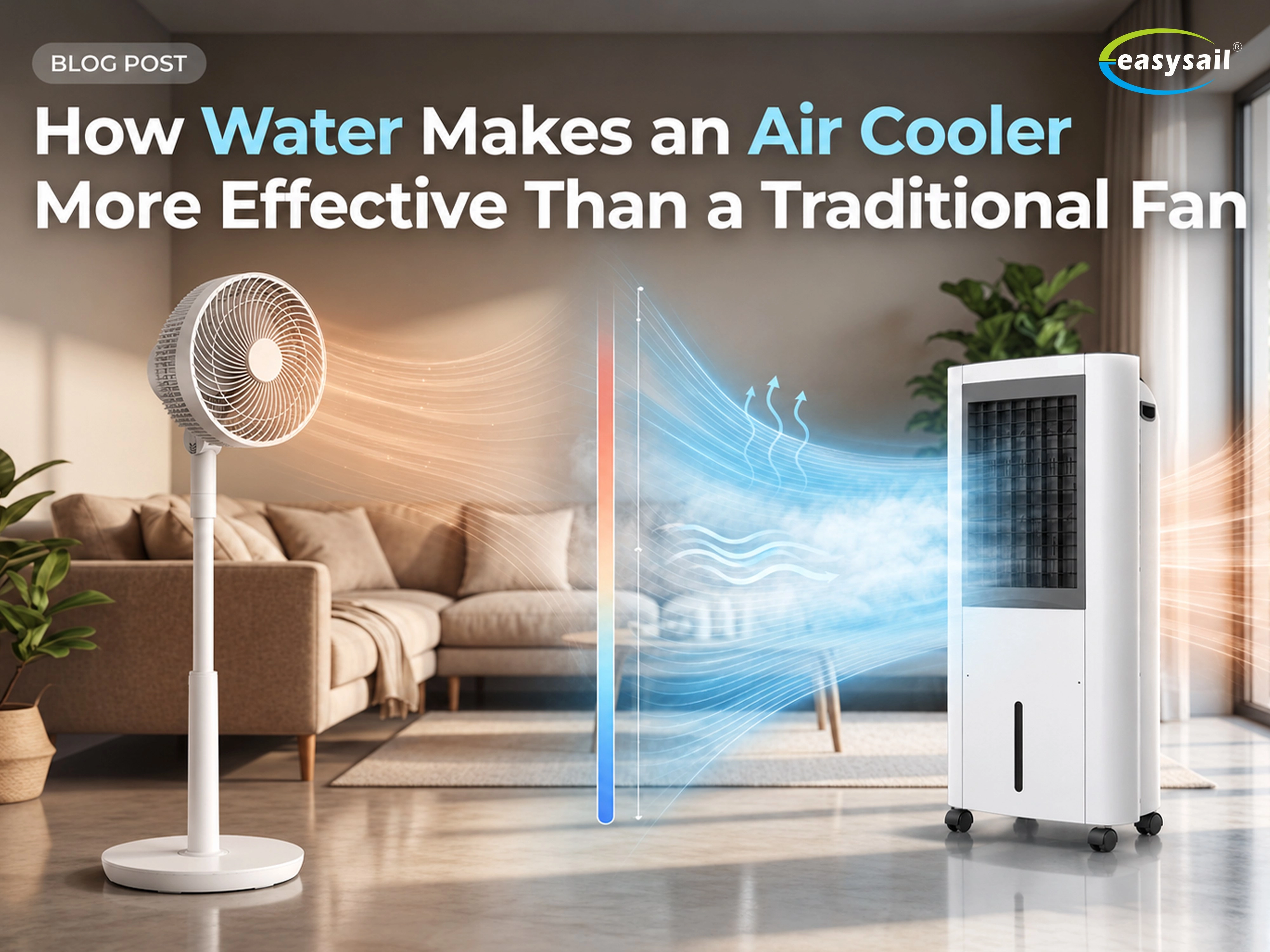
How Water Makes an Air Cooler More Effective Than a Traditional Fan
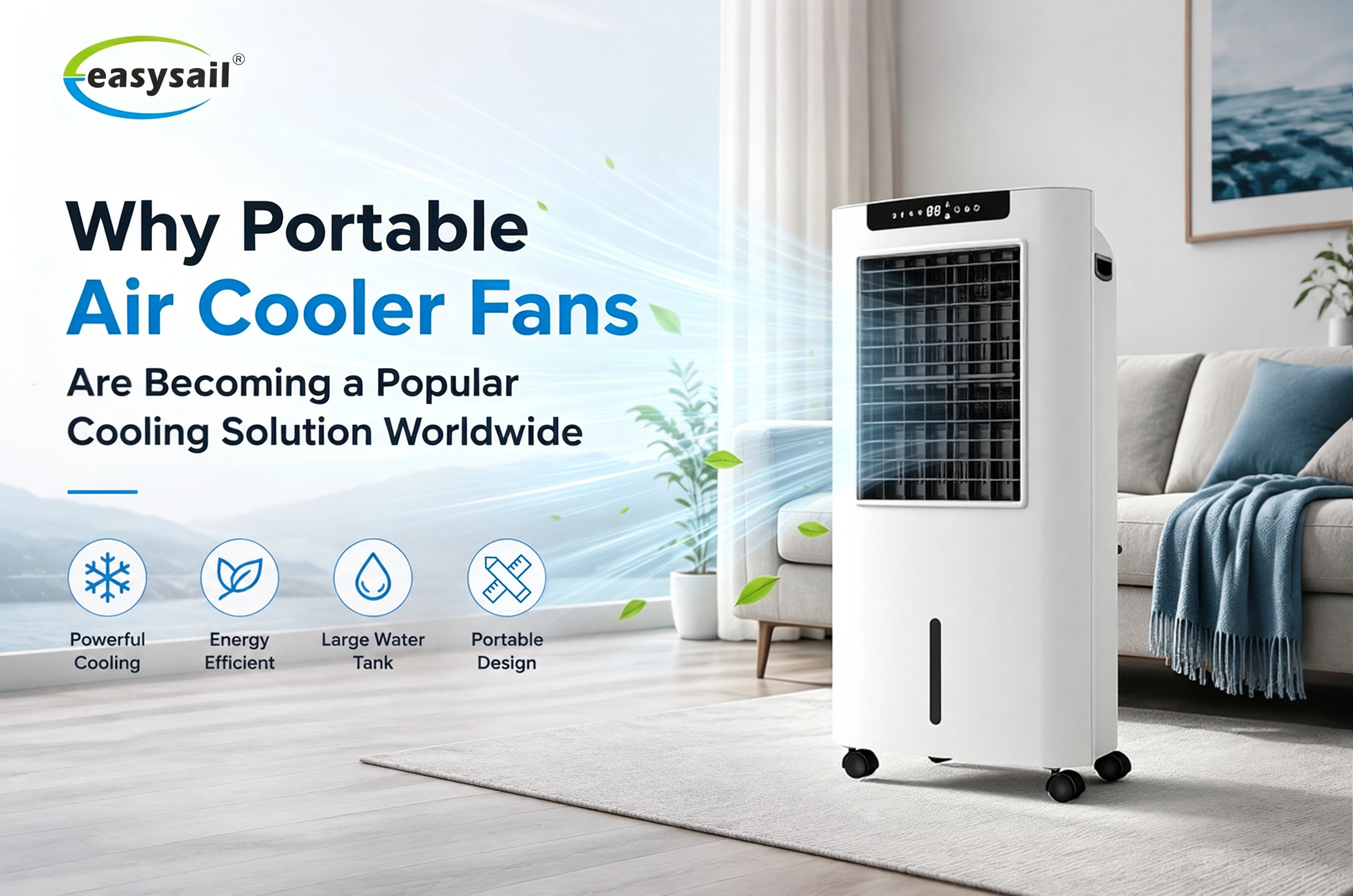
Why Portable Air Cooler Fans Are Becoming a Popular Cooling Solution Worldwide

OEM vs ODM Fans: What Global Buyers Need to Know
How to inspect quality at an air cooler fan supplier's factory?
How to evaluate suppliers when buying the best air cooler fan in bulk?
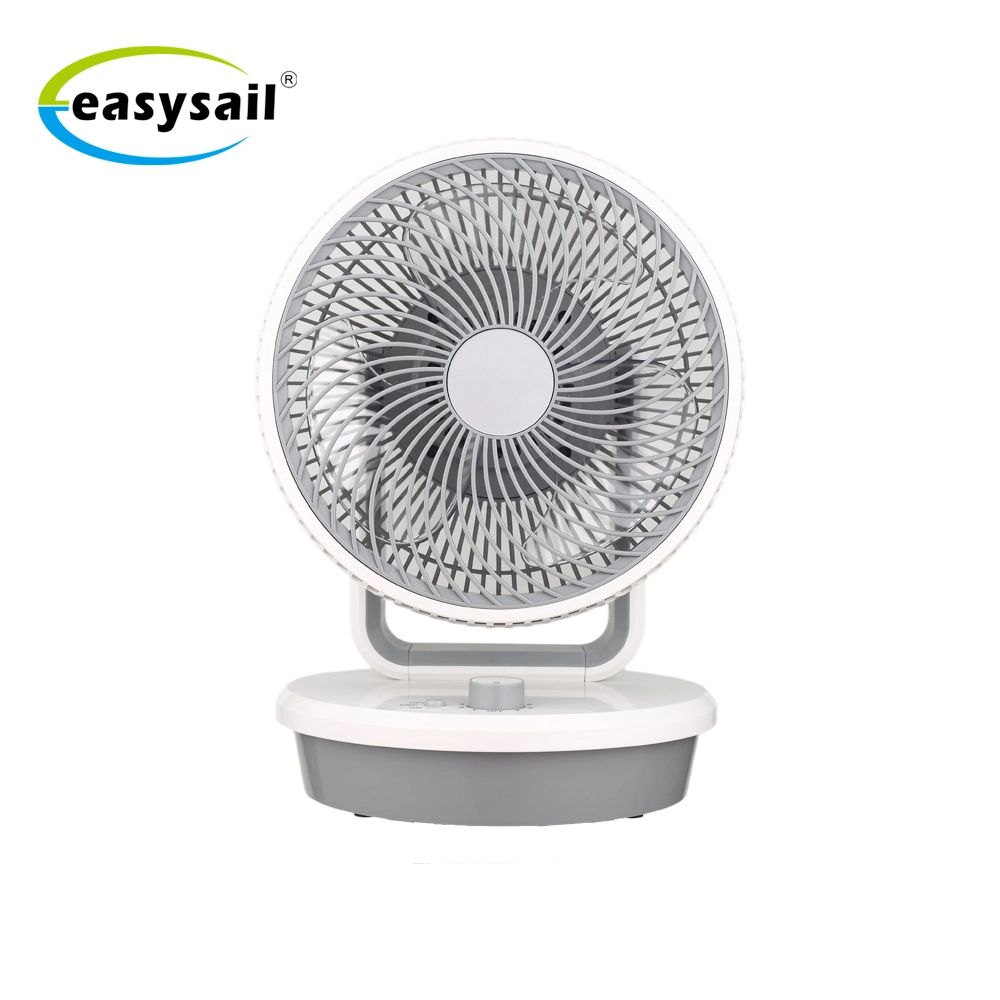
FSA-M Desktop Air Circulator Fan with 4 Speeds 60° Oscillation and Portable Handle
The Easysail FSA-M Air Circulator Fan features a 4-speed knob control and a maximum wind speed of 7.8 m/s for efficient airflow. With 60° oscillation and 90° manual tilt, it distributes air evenly. The portable handle and removable cover make it easy to move and clean.
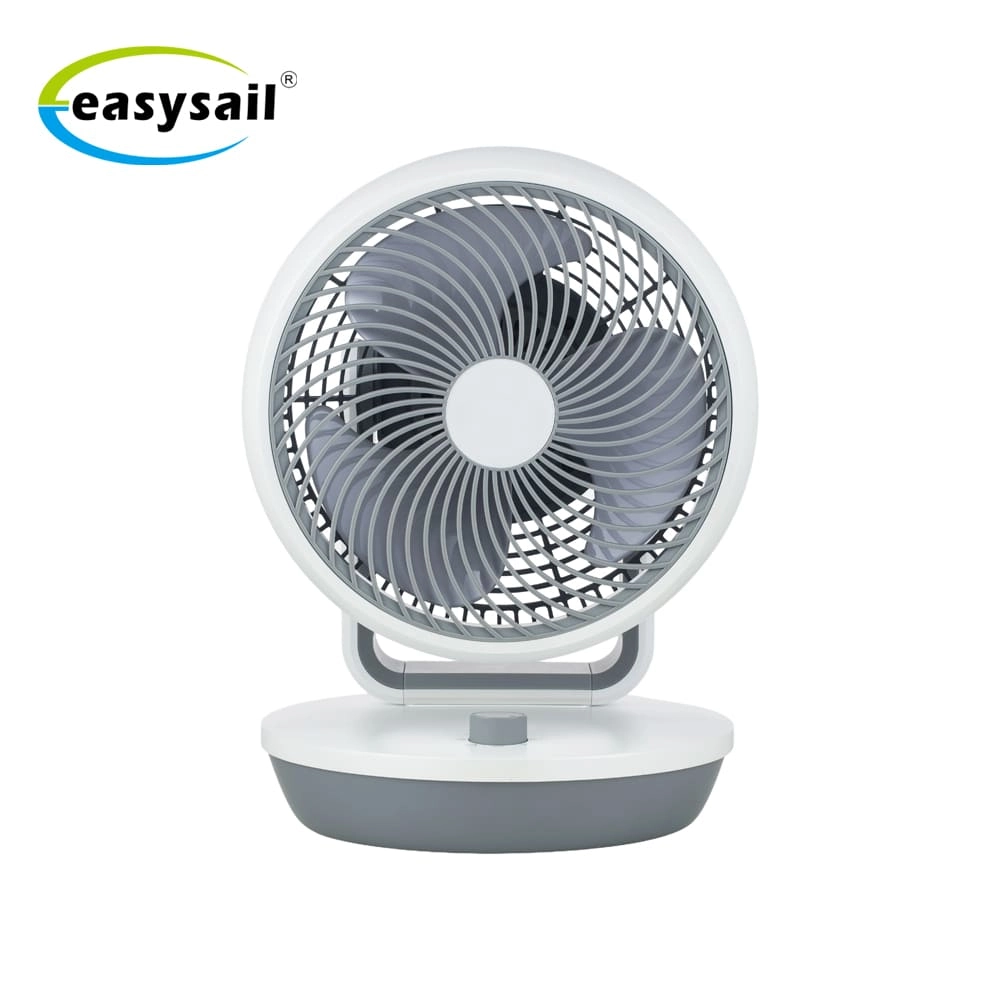
FSC-M Desktop Air Circulator Fan with Mechanical Knob Control
The Easysail FSC-M desktop air circulator fan features mechanical knob control with 4 speed settings for simple and reliable operation. With a maximum wind speed of 7.5 m/s, 60° automatic oscillation, and 90° manual tilt, it delivers efficient air circulation. The portable handle and removable fan cover make it easy to carry and clean.
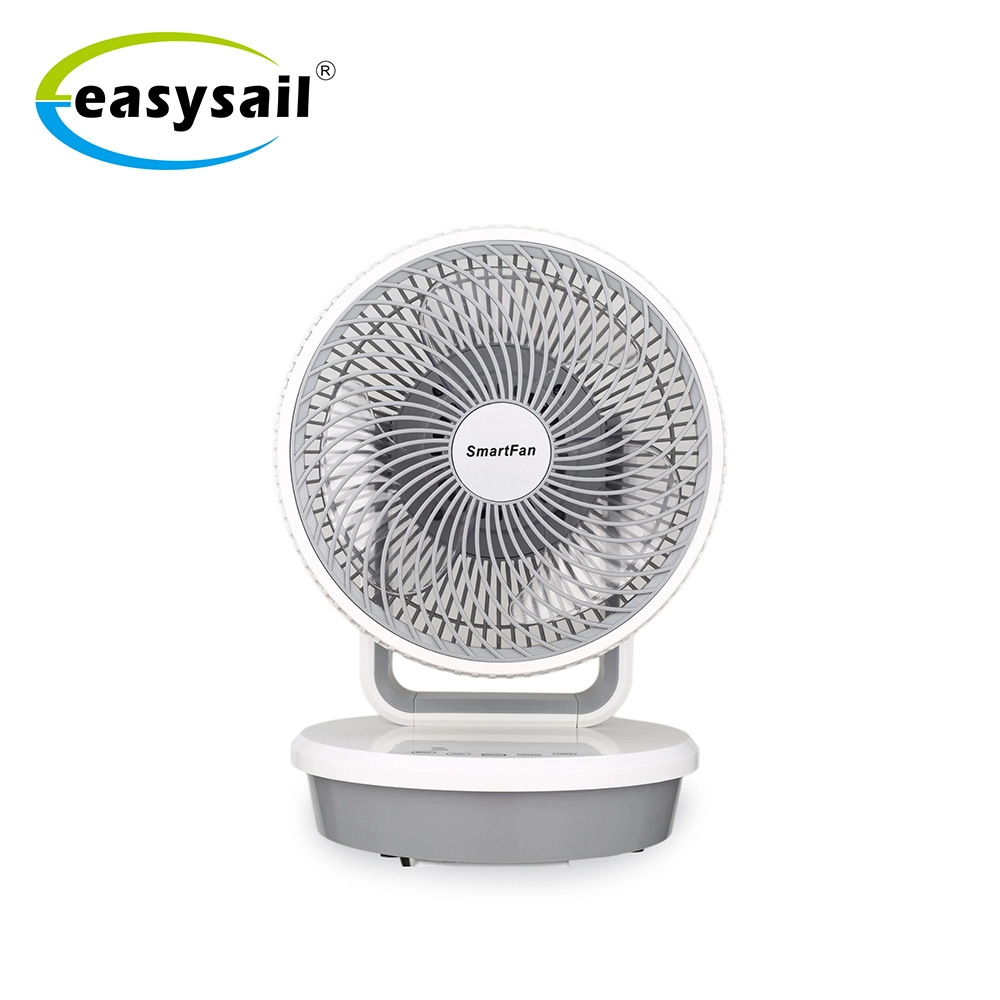
FSA-E1 9 Inch LED Display 3D Oscillation Air Circulator Fan
The Easysail Desktop Air Circulator Fan FSA-E1 is engineered for demanding commercial applications, featuring reinforced ABS housing, a 100% pure copper motor, and customizable branding options. It enables businesses to achieve superior brand reliability and long-term performance.
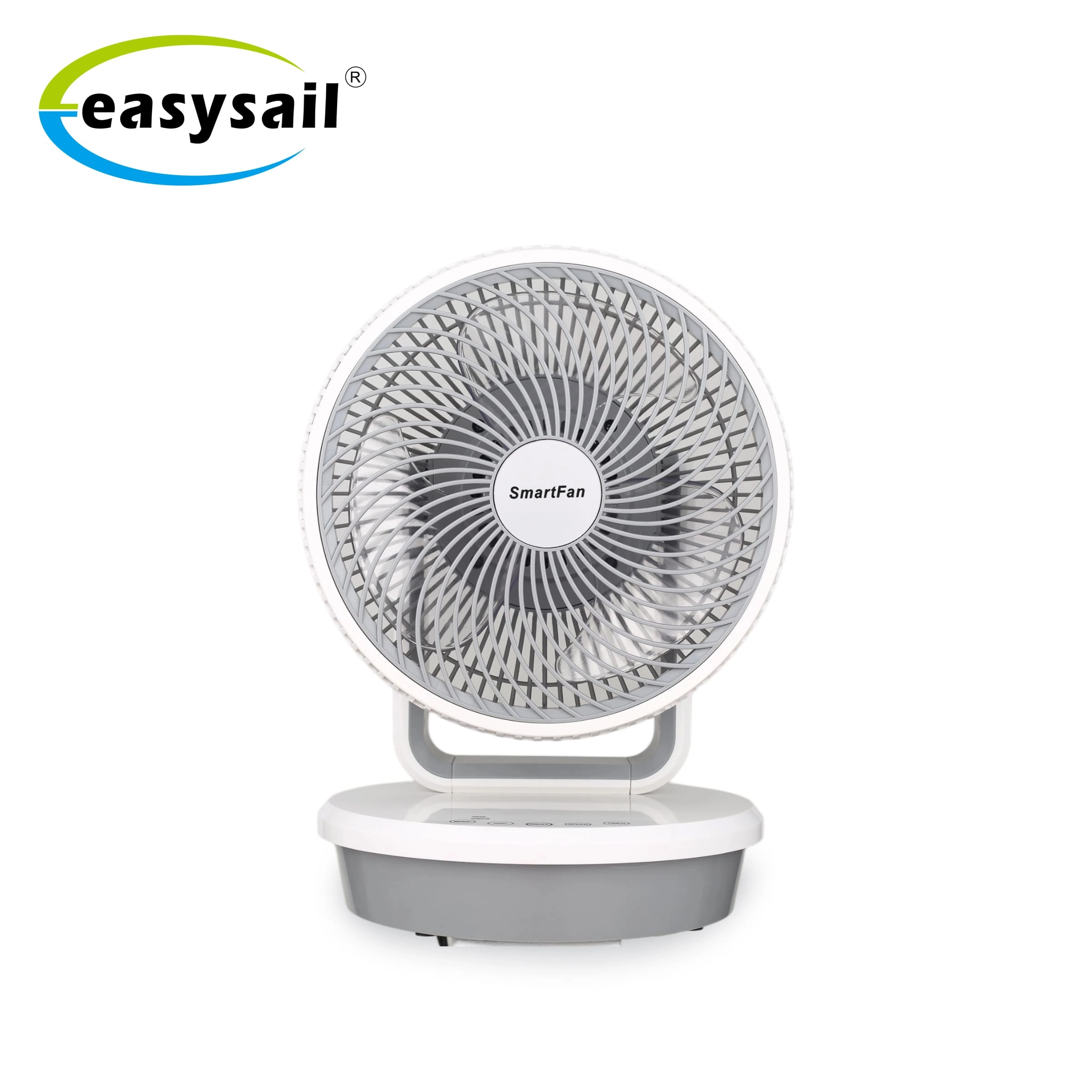
FSA-E2 Touch Screen Control 3D Oscillation Air Circulator fan
The Easysail Desktop Air Circulator Fan FSA-E2 is engineered for demanding commercial applications, featuring reinforced ABS housing, a 100% pure copper motor, and customizable branding options. It enables businesses to achieve superior brand reliability and long-term performance.
Get the Latest Updates
Have a specific question or need more details?
Fill out the form, and our team will get back to you with the information you need.

Easysail is a leading manufacturer specializing in the R&D, production, and sales of high-end two-season small home appliances.
Contact
We’re just a call away.
+86 757 2281 5038
Got a question?
YouTube
Instagram
Facebook