
how long is lead time from air cooled chillers suppliers? | Insights by Easysail
- How long is lead time from air cooled chillers suppliers?
- How long is typical lead time for standard air cooled chillers?
- What factors extend lead times on custom air cooler orders?
- Can expedited production shorten lead time from chiller suppliers?
- How do spare parts and logistics affect chiller delivery timelines?
- What contractual clauses mitigate long lead times for chillers?
Realistic Lead Times for Air-Cooled Chillers: What Buyers Must Know
Clear, practical guidance on how long is lead time from air cooled chillers suppliers, why delays occur, and proven buyer strategies to compress schedules or mitigate risk — covering compressor lead-times, FAT, certifications, logistics and contract tactics tailored for air cooler manufacturers.
How long is lead time from air cooled chillers suppliers?
Typical supplier-to-delivery timelines vary by product class: standardized, factory-configured air-cooled chillers often ship in about 2 to 8 weeks from order confirmation; engineered or heavily customized systems commonly require 8 to 20 weeks or longer. These ranges reflect procurement of long-lead components, production queueing and mandatory factory tests. The single biggest discrete driver is compressor availability: scroll compressors for small units are usually faster to procure than screw or centrifugal compressors used in larger plants, and lead-times for certain compressor models can dominate the order-to-delivery calendar. Buyers should treat the headline lead time as a sum of component procurement, assembly, control and wiring integration, factory acceptance testing, and export logistics rather than a single production number.
How long is typical lead time for standard air cooled chillers?
For stock or factory-standard air-cooled chillers with no site-specific engineering, typical production lead times are commonly in the 2–8 week window. This assumes immediate drawing approvals, standard electrical/configuration options, and no special certifications. The shorter end applies when the supplier holds compressor or coil inventory and the order falls within an existing production batch. When manufacturers run just-in-time procurement or the order contains optional components, expect the schedule to stretch toward the upper bound. If a fast start is required, buyers should confirm component stocking levels and request a committed release date in writing.
What factors extend lead times on custom air cooler orders?
Custom orders add scope that increases lead time through several verifiable channels: engineering design and drawing approval cycles, custom control logic development, sourcing nonstandard compressors or heat exchangers, additional material procurement such as corrosion-resistant alloys, and third-party certification testing. Each change request typically adds days to weeks, and multi-iteration drawing approvals are a common hidden cause of delay. External factors such as commodity shortages, factory backlog, and certification queues (UL, CE, local utility approvals) can add significant calendar time. Documented engineering change control and locking the bill of materials early are the most effective ways to prevent schedule creep.
Can expedited production shorten lead time from chiller suppliers?
Yes—expedite programs can compress schedules, but they have real costs and constraints. Tactics that deliver measurable time savings include reserving long-lead compressors at order entry, paying High Quality freight for inbound components, approving provisional engineering releases to allow parallel procurement and production, and paying an expedite High Quality for priority factory scheduling. However, if the bottleneck is third-party suppliers or certification bodies, the time saved may be minimal. A supplier-grade expedite plan should include a written recovery schedule, clearly defined scope, and identification of which activities will run in parallel versus sequentially.
How do spare parts and logistics affect chiller delivery timelines?
Spare-parts availability and logistics are frequent hidden drivers of delivery delays. Many manufacturers hold core components but not extras; if a required compressor model or electronic control board is backordered, the entire system waits. International shipments introduce customs clearance, port congestion and inland transport variables that can add 2–6 weeks depending on the route and destination. Buyers should specify required spare parts at bid stage, request serial-number visibility for long-lead items, and build logistics contingency in the schedule. Incoterms, destination fast-tracking, and pre-cleared documentation also materially reduce transit uncertainty.
What contractual clauses mitigate long lead times for chillers?
Contract language is a direct lever to reduce schedule risk. Include firm delivery dates tied to milestone payments, acceptance criteria for factory and site testing, and a schedule for drawing approvals with defined response times. Liquidated damages for missed milestones, hold-back provisions until FAT completion, and explicit ownership of long-lead item procurement reduce ambiguity. Require a supplier project plan and weekly status reports, name a dedicated project manager, and define change-order handling and associated time impacts. These contractual controls convert vague lead-time promises into enforceable project governance.
In practice, the best outcomes come from combining engineering discipline, clear contractual milestones, and supplier partnerships that include component stocking and transparent scheduling. Easysail integrates modular design to shorten engineering cycles, maintains procurement relationships for critical compressors and coils, and assigns a single point of contact to manage drawing approvals and FAT planning, reducing the typical risks buyers face when asking how long is lead time from air cooled chillers suppliers.
Contact Easysail for a precise lead-time assessment and project quote at www.myeasysail.com or via email ysh@myeasysail.com.
Do Fans Actually Help with Air Circulation? The Truth About Air Circulator Fans
Top OEM Air Cooler Manufacturer: Energy-Saving & Eco-Friendly Cooling Solutions
How Water Makes an Air Cooler More Effective Than a Traditional Fan
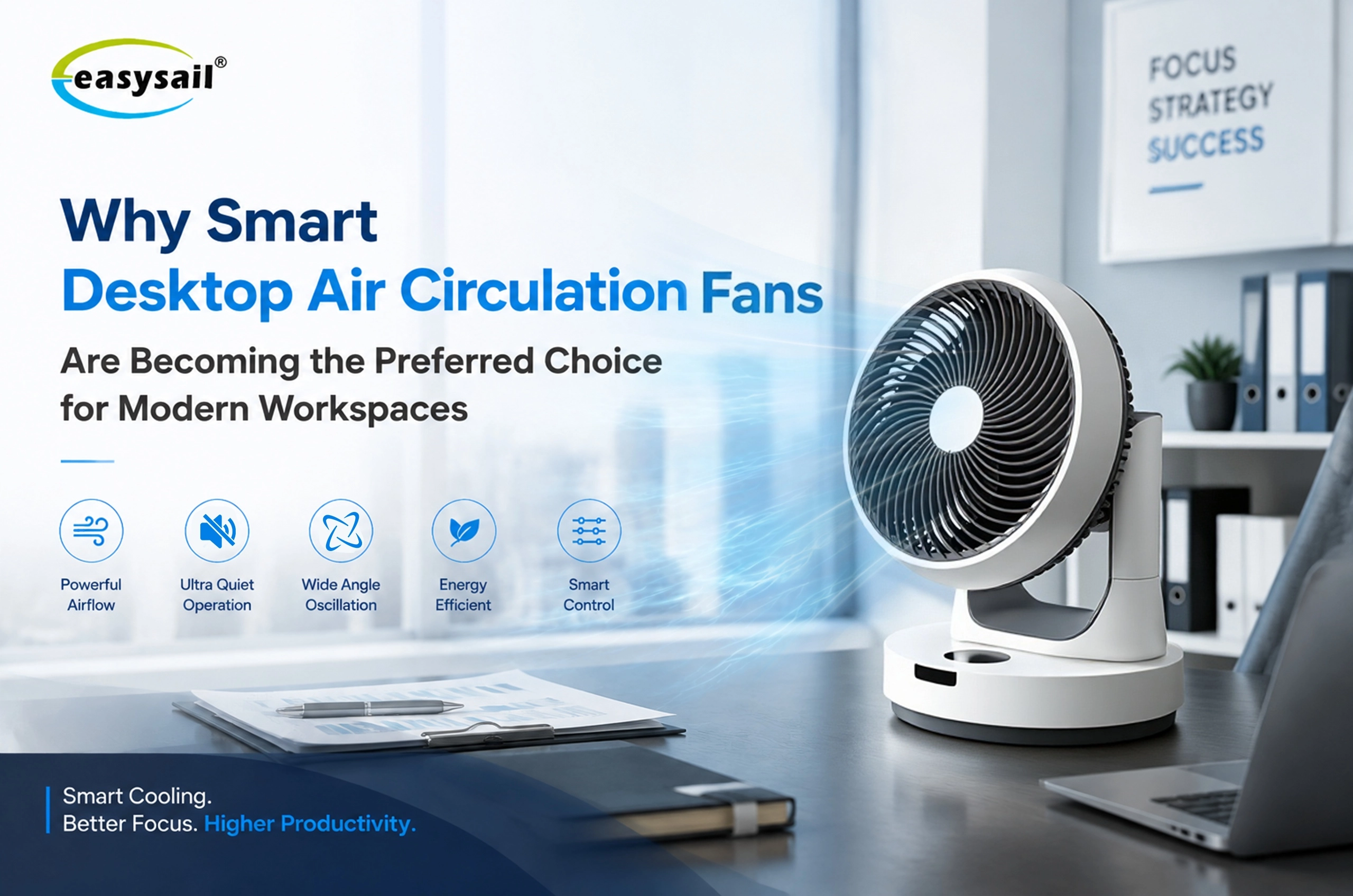
Why Smart Desktop Air Circulation Fans Are Becoming the Preferred Choice for Modern Workspaces
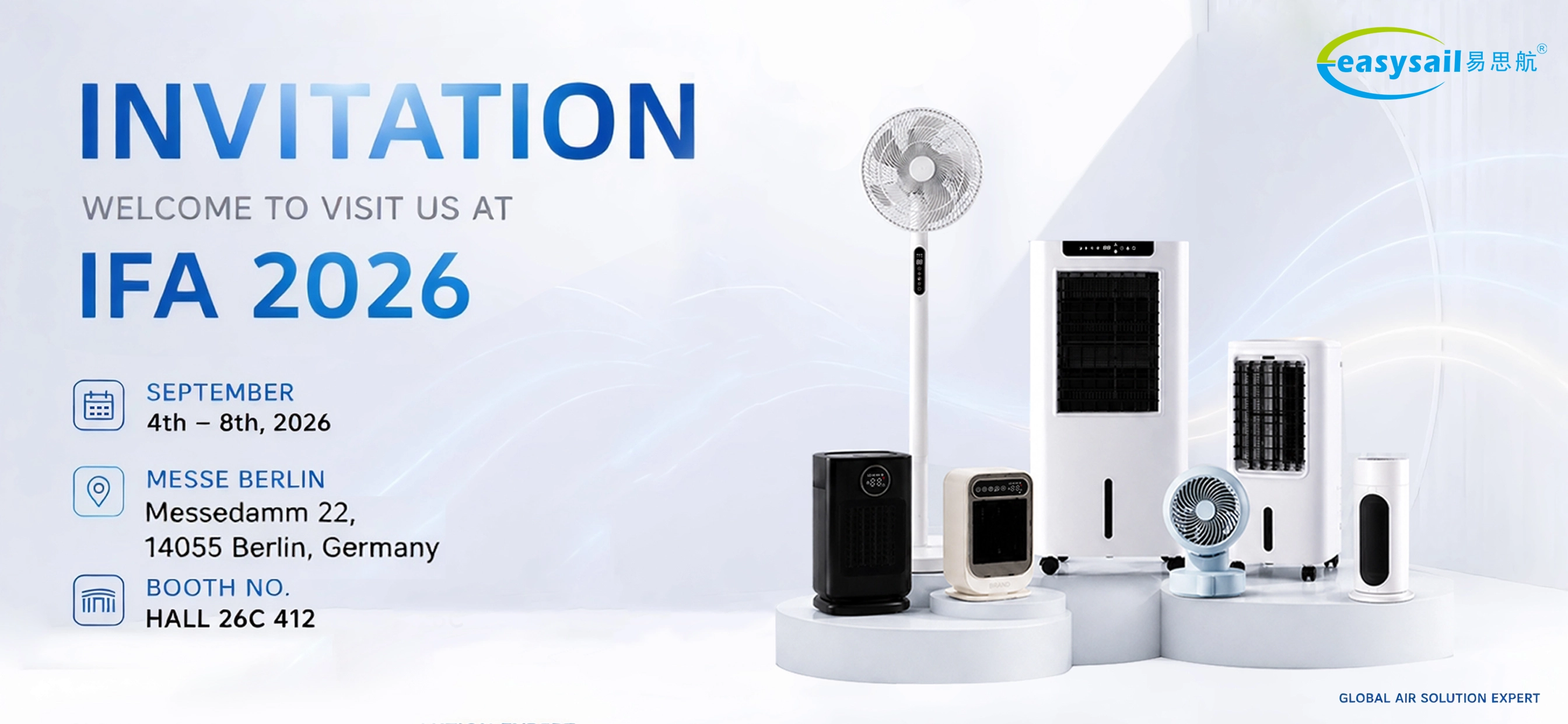
Meet Easysail at IFA Berlin 2026: Your Premier OEM/ODM Partner for Seasonal Climate Control
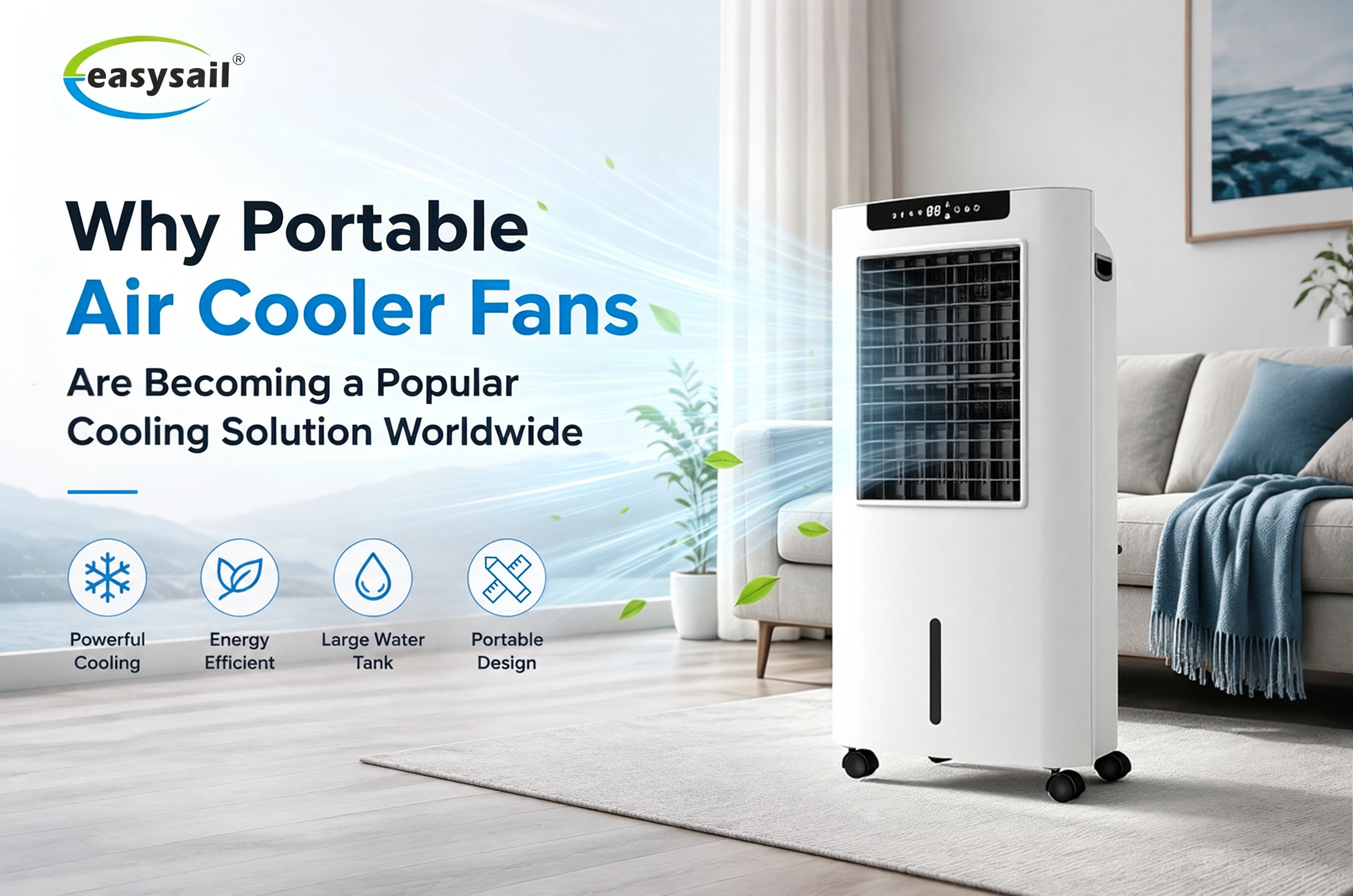
Why Portable Air Cooler Fans Are Becoming a Popular Cooling Solution Worldwide

Space Heater HHPA-EW1
Experience efficient warmth with the Easysail Space Heater HHPA-EW1. This ceramic electric heater ensures fast, even heating, perfect for bedrooms. Designed with advanced safety features, it provides reliable bedroom heater safety for peace of mind during chilly nights.

HWA-M Electric Wire Heater with Adjustable Thermostat
The Easysail HWA-M electric wire heater features 3 heat settings (Low Medium High) and an adjustable thermostat for flexible temperature control. Designed with a power indicator light and tip-over safety function, it ensures safe and reliable heating with simple and durable operation.

White Electric Ceramic Heater HPA-1
Easysail’s White Electric Ceramic Heater HPA-1 offers efficient, portable warmth with advanced ceramic technology. As a leading electric ceramic heater manufacturer, we ensure reliable performance and safety. Ideal for home or office, this compact heater delivers fast, energy-saving comfort wherever you need it.

HPA-1 PTC Electric Heater with Dual Heating Elements LED Display
The Easysail HPA-1 electric heater features dual PTC heating elements for fast and efficient heating. With LED display and electronic control, 3 modes, and adjustable temperature from 18–35°C, it ensures precise comfort. The remote control, 60° oscillation, timer, and safety protection system provide convenient and reliable use.
Get the Latest Updates
Have a specific question or need more details?
Fill out the form, and our team will get back to you with the information you need.

Easysail is a leading manufacturer specializing in the R&D, production, and sales of high-end two-season small home appliances.
Contact
We’re just a call away.
+86 757 2281 5038
Got a question?
YouTube
Instagram
Facebook