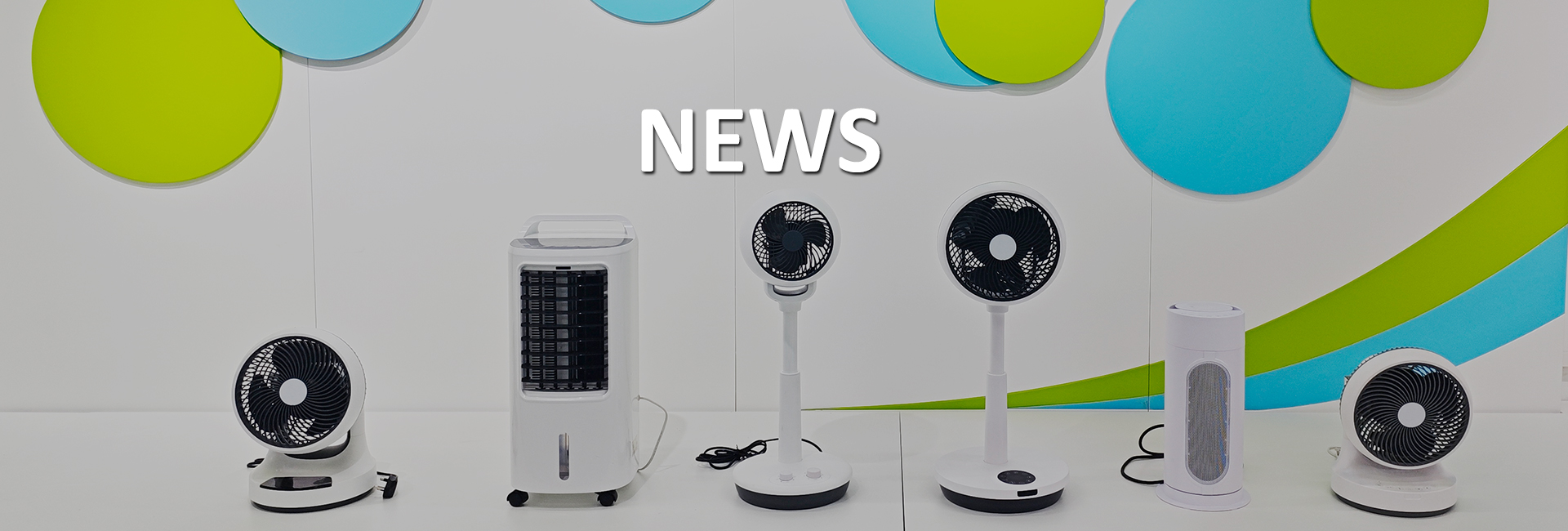
News
Company news
Blog


-
 Not Just for Summer: Why an Air Circulator is the Best Investment for Your Home Comfort (Year-Round)When most people think of fans, they picture a hot summer day and a device swinging back and forth, blowing air directly onto their faces. But if you’ve been browsing EasySail, you might have noticed something different: The Air Circulator Fan. A common question we get is, "Is this just a fancy fan?" The short answer is no. While a traditional fan is a seasonal tool for cooling off, an air circulator is a year-round climate control solution. Today, we’re diving into the science of air circulation and why upgrading to a EasySail circulator can lower your energy bills—even in the middle of winter. The Big Difference: Air Circulation vs. Direct Cooling To understand why you need an air circulator, you have to understand aerodynamics (simply put). Traditional Fans: They create a "wind chill" effect. They only cool you down whe...
 -
Wind speed is one of the most important—but often misunderstood—factors that determine how effectively a fan cools you. Whether you are choosing an air circulator fan, a pedestal fan, or a desk fan, understanding wind speed can help you choose the right cooling solution for your home or workspace. This article explains what wind speed really means, how it affects your comfort, and why certain fans feel stronger or cooler than others. What Is Wind Speed in a Fan? Wind speed refers to how fast air moves out of the fan, typically measured in meters per second (m/s). A higher wind speed means the air travels faster, creating a stronger and more immediate cooling sensation. Unlike an air cooler—which relies on evaporation and air flow volume—a fan’s main cooling effect comes from its wind speed. Why Wind Speed Makes You Feel Cooler...
-
While fans rely on wind speed to create a cooling sensation, air coolers depend on another key element—air flow. Air flow (sometimes called air delivery) determines how much cooled air the unit can push into your room, and it has a direct impact on comfort, humidity control, and cooling coverage. This article explains what air flow is, why it is essential to an air cooler’s performance, and how to choose the right air flow level for your space. What Is Air Flow in an Air Cooler? Air flow refers to the volume of air an air cooler can move per minute. It is usually measured in: CFM (Cubic Feet per Minute) m³/h (Cubic Meters per Hour) Higher air flow means the air cooler can deliver more cooled air across a wider area. Unlike a fan—where the sensation comes from wind speed—an air cooler relies on air flow ...
-
Many people wonder if simply circulating air can actually make a room cooler. While an air circulator doesn’t lower the room’s temperature the same way an air conditioner does, it does make your environment feel significantly cooler and more refreshing. Let’s explore how air circulation works, why it matters for comfort, and how using an air circulator fan can improve your room’s cooling efficiency—especially during hot summer months. The Science Behind Air Circulation and Cooling When air in a room becomes still, heat builds up around objects and people. Stagnant air traps warmth and humidity, making the space feel hotter than it really is. An air circulator fan solves this by moving air continuously around the room. This motion helps: Distribute cooler air evenly instead of letting it settle near vents or windows. Evapor...
-
An air circulator fan is one of the most versatile tools for improving indoor comfort. Unlike traditional fans that simply blow air in one direction, an air circulator is designed to move air throughout the entire room—creating a continuous, balanced flow. However, to get the best results, where you place it matters just as much as how you use it. This guide explains the science behind airflow, the best positions for your air circulator, and how to optimize performance for both cooling and heating seasons. How Air Circulation Works Air circulators work by creating a steady airflow loop within a room. Instead of targeting one person, they push air across walls and ceilings, helping to mix warm and cool air layers evenly. This process: Eliminates hot or cold spots. Improves overall ventilation. Makes rooms feel fresher and more comfortable year-round. The...
-
As temperatures rise, many people wonder: Is an air cooler better than a fan? While both devices help you stay cool, they work very differently—and understanding those differences can help you choose the right cooling solution for your home or business. Let’s break down how air coolers and fans function, compare their cooling effects, and explore which one truly delivers more comfort, efficiency, and value. How an Air Cooler Works An air cooler, also known as an evaporative air cooler, uses the natural process of water evaporation to reduce air temperature. Here’s how it works: The fan draws in hot air from the room. The air passes through a honeycomb cooling pad soaked with water. As the water evaporates, the air temperature drops. Finally, the cooler releases a stream of refreshing, moisture-rich air. This process uses no refrigeran...
-
What Makes an Air Circulator Different from a Regular Fan? When people picture a fan, they usually think of a device that blows air directly at them. An air circulator fan, however, works in a smarter way—it moves air throughout the entire room, creating a steady flow that balances hot and cool zones. Instead of sitting in front of the fan to feel relief, your whole space feels fresher. This unique circulation process is why air circulator fan are growing in popularity. How to Cool a Home with an Air Circulator Using an air circulator isn’t just about turning it on—it’s about positioning and adjusting it correctly for maximum effect. Here are some strategies to make the most of it: 1. Place It at an Angle, Not Directly at You Unlike a desk fan, the goal is not direct airflow but to keep the air moving. B...
-
What Is a Honeycomb Filter and How Does It Enhance Air Cooler Performance? Understanding the Honeycomb Filter Structure A honeycomb filter—sometimes called a honeycomb cooling pad—is crafted with a layered, cell-like structure resembling the inner pattern of a beehive. Typically made from sturdy cellulose material, these panels feature an array of vertical, hollow channels that hold and distribute water across a wide surface area. This design is not merely aesthetic; it's engineered to optimize water retention and maximize surface exposure, ensuring the air passing through transforms efficiently from hot and dry into cool and humid. How Does a Honeycomb Filter Working in Air Coolers? Here’s how the process unfolds in an air cooling system: Water Saturation: The filter is kept continuously moist by a built-in water...